Author: drtartt

  • Five Strategies To Get Black Men To Desire vs. Fear Marriage

    Five Strategies To Get Black Men To Desire vs. Fear Marriage

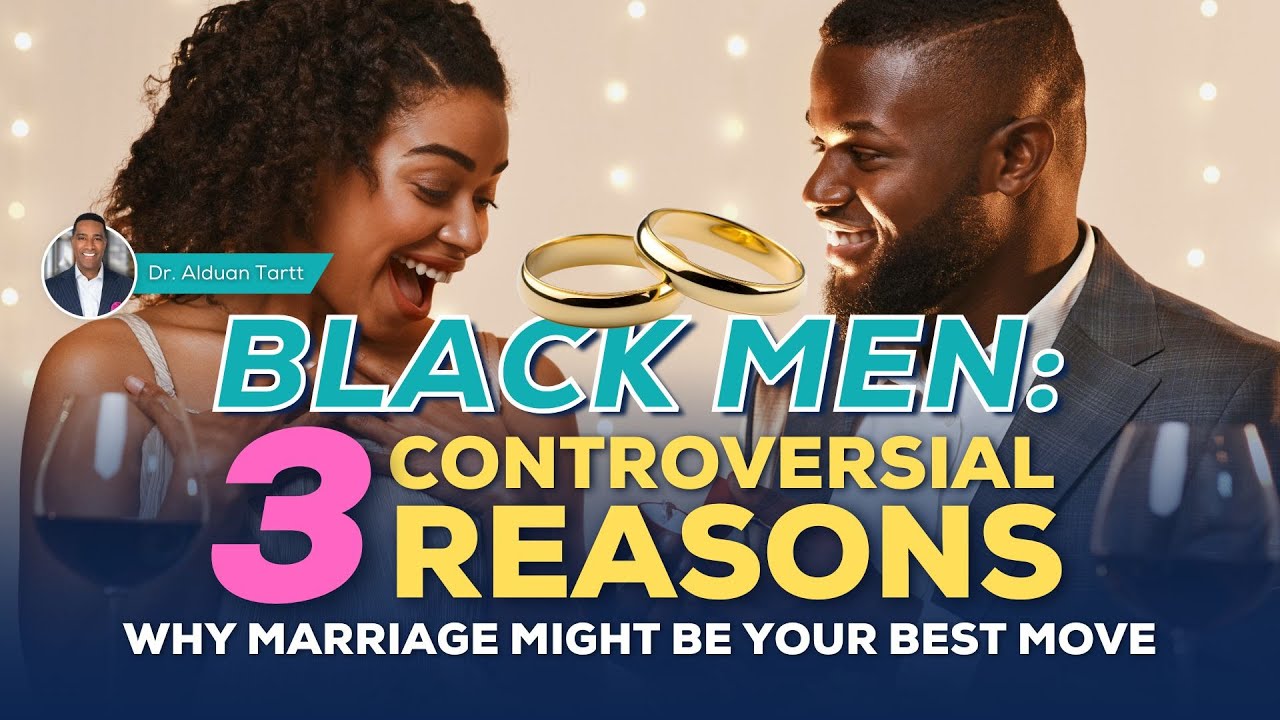
    Why So Many Black Men Fear Marriage—And What Needs to Change

    By Dr. Alduan Tartt | Psychologist • Minister • Relationship Expert

    Marriage should be one of the most fulfilling relationships a man can experience. Yet for many Black men, it’s become something to fear instead of desire.

    While many brothers deeply long for love, family, and legacy, they often carry internal fears that hold them back—fears of failure, financial ruin, loss of freedom, and emotional pain.

    These fears are real. But they don’t have to define us.

    After more than 20 years working with Black men as a psychologist and relationship coach, I’ve learned this truth:

    Black men aren’t afraid of love.They’re afraid of losing.They’re not incapable of commitment—they’re afraid of becoming what they’ve seen.And they’re not rejecting marriage—they just haven’t seen it modeled in a way that looks life-giving.

    So today, let’s break down the five most common fears Black men carry about marriage, and offer real, powerful strategies to transform those fears into faith, purpose, and legacy.

    1. “I Don’t Want to Fail Like My Father”

    Fear-Based Thought:“I didn’t grow up seeing a healthy marriage… so what makes me think I can do it better?”

    Marriage-Minded Shift:“I’m not my father. I get to break generational cycles and build something better.”

    Many Black men come from homes without a healthy marriage model. The impact is lasting. When dysfunction is your reference point, it becomes easy to believe that love is destined to fail.

    What to Do:

    • Surround yourself with healthy, married men you respect.

    • Seek therapy to heal and rewire limiting beliefs.

    • Embrace the truth: what you saw isn’t what you’re doomed to repeat.

    Romans 12:2 (NIV)“Do not conform to the pattern of this world, but be transformed by the renewing of your mind. Then you will be able to test and approve what God’s will is—his good, pleasing and perfect will.”

    2. “If I Ain’t Rich, I Can’t Be a Husband”

    Fear-Based Thought:“I gotta get my money right before I even think about marriage. A broke man ain’t respected.”

    Marriage-Minded Shift:“Marriage isn’t about already having it all—it’s about building together with someone who believes in us.”

    This belief keeps so many men stuck in the waiting room of life. While it’s wise to be financially responsible, the idea that you must be wealthy to marry is misleading—and costly.

    In cultures like North Indian and Chinese communities, couples often marry with the goal of building wealth together. Black men deserve to adopt that mindset too.

    What to Do:

    • See marriage as a wealth-building partnership.

    • Stop waiting on perfection and start choosing aligned purpose.

    • Build with someone who shares your vision and grind.

    📖 Ecclesiastes 4:9 (NIV)“Two are better than one, because they have a good return for their labor.”

    3. “Marriage Means Losing My Freedom”

    Fear-Based Thought:“I don’t want to be trapped. Answering to someone. No more peace, no more space.”

    Marriage-Minded Shift:“Healthy marriage is peace. It’s not a trap—it’s a team.”

    Too many men equate marriage with control and loss. But this belief often stems from toxic ideas about masculinity—where love is weakness and vulnerability is dangerous.

    What to Do:

    • Redefine freedom. It’s not about isolation—it’s about support.

    • Let go of the fear that your wife will dominate you. A godly woman partners with you, not against you.

    • Study examples of healthy relationships that model leadership through love, not control.

    📖 Ephesians 5:25 (NIV)“Husbands, love your wives, just as Christ loved the church and gave himself up for her.”

    4. “Divorce Will Destroy Me”

    Fear-Based Thought:“I’ve seen men lose everything in divorce—money, kids, dignity. I’m not taking that risk.”

    Marriage-Minded Shift:“I can prepare for success instead of running from risk.”

    Fear of divorce is real—and deeply justified. Many Black men have witnessed the emotional and financial devastation that comes from broken marriages. But avoiding marriage doesn’t eliminate risk—it eliminates the opportunity for growth, connection, and legacy.

    What to Do:

    • Invest in premarital counseling—it lowers divorce rates by up to 31%.

    • Build relationships on shared values, not just chemistry.

    • Anchor your relationship in faith, accountability, and mentorship.

    📖 Matthew 7:24 (NIV)“Therefore everyone who hears these words of mine and puts them into practice is like a wise man who built his house on the rock.”

    5. “I Don’t Know How to Be a Husband”

    Fear-Based Thought:“Nobody taught me. I didn’t have an example. I don’t want to fail her.”

    Marriage-Minded Shift:“I can learn. I can grow. I’m willing to become the husband I never saw.”

    This is one of the most honest and courageous fears Black men face. Most were never taught how to lead emotionally, resolve conflict, or love sacrificially. But that doesn’t mean you can’t learn.

    What to Do:

    • Seek wisdom from mentors, books, courses, and therapy.

    • Understand that being a good husband is a skill—not just a feeling.

    • Trust that if God placed the desire in you, He’ll also equip you.

    📖 Proverbs 4:7 (KJV)“Wisdom is the principal thing; therefore get wisdom: and with all thy getting get understanding.”

    From Fear to Legacy: A New Mindset

    Here’s the truth: the future of Black love depends on us.

    We must replace fear-based thinking with legacy-building faith.

    Fear-Based Thinking

    Legacy-Based Thinking

    “Marriage will ruin me.”

    “Marriage will refine me.”

    “I don’t trust women.”

    “I trust God to lead me.”

    “I’m not ready to commit.”

    “I’m ready to grow into commitment.”

    “I might lose everything.”

    “Together, we’ll build more.”

    What Needs to Change—Now

    • Black men need healing, mentorship, and emotional tools.

    • Black women need to offer safety and grace without judgment.

    • Our community needs to normalize love, family, and healthy marriage—not just dating drama.

    • Faith leaders and therapists need to teach not just principles—but practical relationship skills.

    Final Word

    You’re not too broken. You’re not too late.You’re not disqualified from love.

    You were made to lead in your home, to love deeply, and to leave a legacy.Let’s stop fearing marriage and start preparing for it—together.

    2 Timothy 1:7 (NKJV)“For God has not given us a spirit of fear, but of power and of love and of a sound mind.”

    Let’s Talk:

    What’s one fear about marriage you’ve struggled with—or seen in a man you love?Leave a comment and join the conversation. Your honesty may be someone else’s breakthrough.

    Ready to Go Deeper?

    Join my full course,“Better Husband Better Wife.” God Bless!
  • Men: The Best Way To Love Her Is By Loving You First

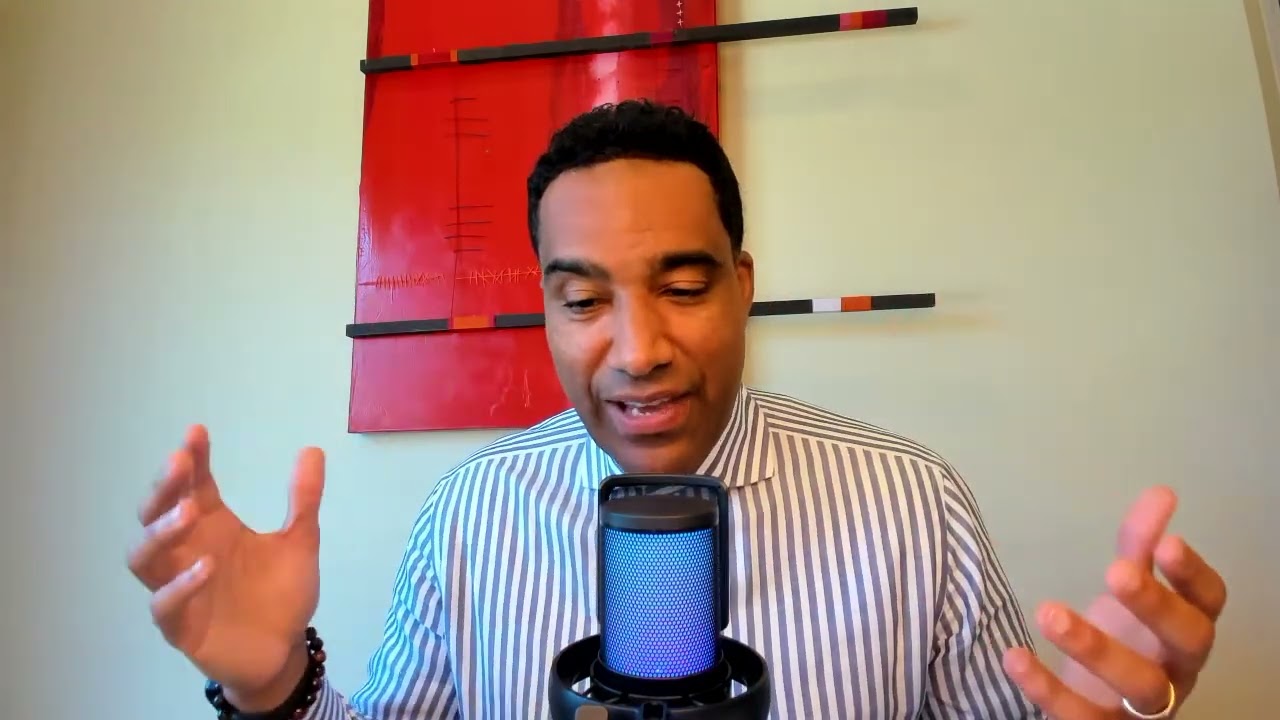
    Men: The Best Way To Love Her Is By Loving You First

    Why Giving Everything Isn’t the Best Way to Love

    By Dr. Alduan Tartt

    He provides. He protects. He shows up.But quietly, he’s exhausted.

    Too many men—especially Black men—are silently burning out in their relationships, believing that giving everything is what makes them worthy of love. We hustle, grind, and sacrifice, thinking that’s what strong men do. But let me tell you the truth:

    Overgiving is not the same as loving.

    And if you keep giving from an empty tank, you’ll end up resenting the very people you’re trying to love.

    The Faulty Mindset That’s Hurting Our Relationships

    From a young age, many of us were taught:

    “If you work hard, take care of your family, and never complain—you’re a good man.”

    And while responsibility is noble, it becomes toxic when it replaces emotional connection, boundaries, and self-respect. Overgiving becomes a form of silent suffering—a mask we wear to avoid dealing with how tired, disconnected, or unseen we really feel.

    It’s time to challenge that mindset. Because you can’t love her right if you’re neglecting yourself.

    1. Overgiving Is Not the Same as Loving

    Let’s break this down. Love is not just about doing things—it’s about being present.A man who buys gifts but never expresses vulnerability…A man who pays bills but never opens up about his fears or frustrations…That man may be well-intentioned, but he’s emotionally unavailable.

    1 Corinthians 13:3 (NIV) says,“If I give all I possess to the poor…but do not have love, I gain nothing.”

    This scripture reminds us that giving without connection is empty.Your woman doesn’t just need what’s in your hands—she needs what’s in your heart.

    Psych Insight: Men who overfunction in relationships often do so to avoid vulnerability. They were never taught how to feel safe being emotionally honest, so they overcompensate with action.

    2. Boundaries Teach Others How to Treat You

    Here’s the truth: When you say “yes” to everything, you’re not being strong—you’re being self-abandoning. And that’s a dangerous place to live from.

    Boundaries are not about pushing people away.They’re about teaching people how to love you without draining you.

    Proverbs 4:23 (NLT) tells us,“Guard your heart above all else, for it determines the course of your life.”

    If you don’t protect your peace, no one else will.If you don’t speak up about what you need, people will assume you’re fine—and keep taking.

    Real-world example:Instead of saying “yes” when you’re running on fumes, say:

    “That doesn’t work for me right now, but here’s what I can do.”That one line can save your peace and your relationship.

    3. Let Her See the Real You—Not Just the Strong You

    A lot of brothers think being vulnerable will cost them respect. But here’s what I’ve learned after years of working with couples and families:

    Most women don’t want perfect—they want present.They want access to the real you. Your joy. Your fear. Your fatigue. Your dreams. Your truth.

    When you hide your emotions in the name of strength, you create emotional distance—and that’s where relationships start to unravel.

    Ecclesiastes 4:10 (NIV):“If either of them falls down, one can help the other up.”

    You can’t be helped if you’re hiding.You can’t connect if you’re pretending.

    Try this: Instead of shutting down, say:

    “I’m feeling overwhelmed right now, and I’m trying to process it.”That moment of honesty builds trust—and deepens love.

    Loving Yourself Is Loving Her Better

    When you’re rested, you’re more patient.When you’re centered, you’re more focused.When you’re healed, you lead with confidence—not control.

    Self-love isn’t selfish—it’s responsible.Because if you’re broken, burned out, or emotionally unavailable, the people closest to you will suffer, even if your intentions are good.

    Final Word: Protect Your Peace. Reclaim Your Power.

    You are not just a provider. You are a human being—with needs, dreams, and limits.

    You can’t love her right if you’ve forgotten how to love yourself.You can’t be her peace if you’re living in chaos.You can’t build a home if the foundation—you—is cracking.

    So pause. Breathe. Reflect.Rest isn’t a reward—it’s a requirement.Boundaries aren’t rejection—they’re self-respect.Honesty isn’t weakness—it’s strength in its highest form.

    Because when you love yourself wisely…You become the man she can trust, follow, and love deeply—without losing you in the process.

    Want more content like this?Subscribe to my newsletter, check out my podcast, or join my men’s wellness community [link].We’re building emotionally healthy men, strong relationships, and lasting legacy—one step at a time.

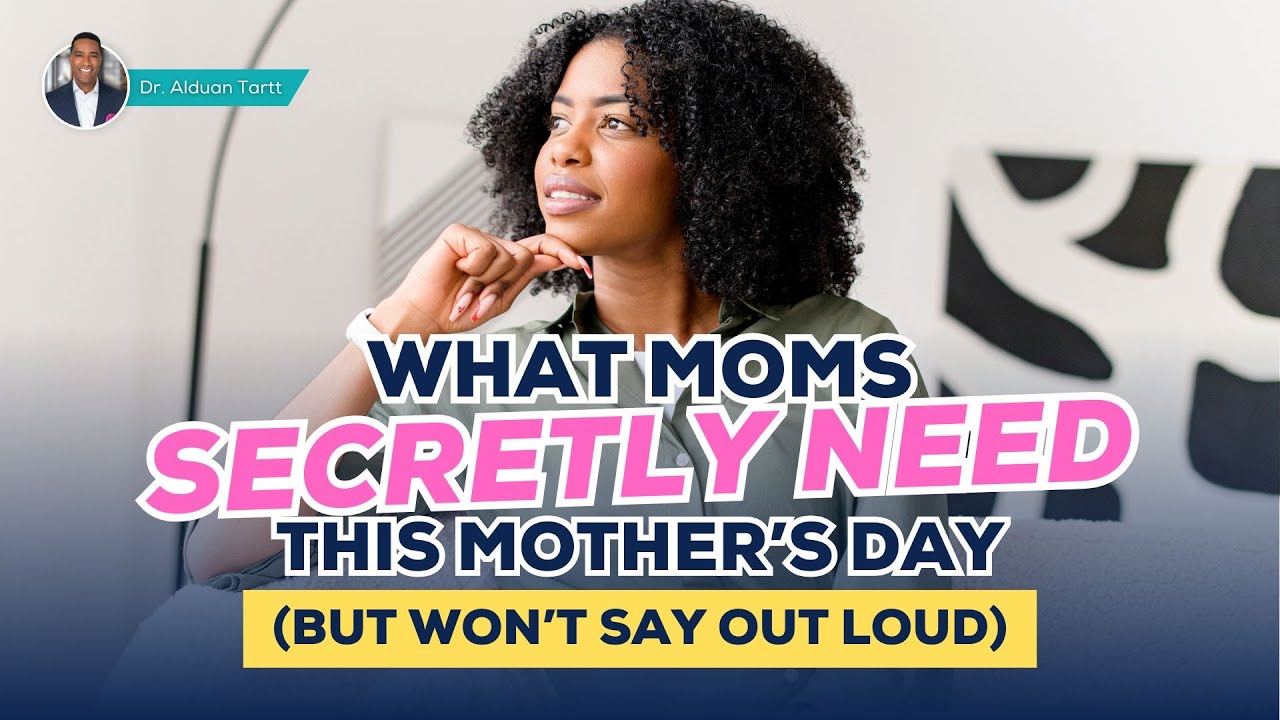
  • What Moms REALLY Want For Mother’s Day: To Feel Seen, Heard, and Held

    What Moms REALLY Want For Mother’s Day: To Feel Seen, Heard, and Held

    Seen, Heard, and Held: The Real Gift Moms Deserve

    There is no title more sacred than Mother.

    From rocking babies to juggling boardrooms, praying for their children to sacrificing sleep, energy, and often their own dreams—mothers are pillars of strength and fountains of love. But if we truly want to honor the mothers in our lives, we must go beyond brunch and bouquets.

    We must see them. Hear them. Hold space for them.

    As we celebrate Mother’s Day and observe Mental Health Awareness Month, we’re reminded of the biblical call in Exodus 20:12:

    “Honor your father and your mother…”

    To honor is to give weight. It means prioritizing, protecting, and valuing them—not just in words, but in action.

    The Hidden Struggles of Mothers

    Many moms today are silently battling emotional fatigue, anxiety, and chronic stress. On the outside, they’re holding it together. On the inside, they’re often running on empty.

    This isn’t weakness—it’s the weight of being a nurturer in a world that often overlooks the nurturer’s needs.

    From a psychological standpoint, this is known as caregiver burnout—a mental and emotional exhaustion that comes from always giving and rarely receiving. Spiritually, it’s the cry of the soul that says, “I need help too.”

    It’s time to listen to that cry. It’s time to give mothers the real gift they deserve—to be seen, heard, and held.

    1. Rest Is Sacred: Make Room to Recharge

    “Come to me, all who are weary and burdened, and I will give you rest.” – Matthew 11:28

    Moms often wrestle with guilt around rest. They think, “If I stop, I’m failing.” But rest isn’t a luxury. It’s biblical. It’s protective. It’s how we stay whole.

    What Moms Can Do:

    • Create a daily “Sabbath Moment”—10–15 minutes for prayer, breathing, or stillness.

    • Tell your family, “This is mommy’s reset time. I’ll be better for it.”

    How We Can Help:

    • Husbands: Step in—don’t wait to be asked. Create rest time for her.

    • Sons: Ask, “What can I take off your plate today?”

    • Everyone: Protect her peace like she protects yours.

    2. Speak What You Need: Don’t Suffer in Silence

    You do not have because you do not ask.” – James 4:2

    Many mothers have been conditioned to suffer quietly. They fear judgment, or believe asking for help makes them less of a mom.

    But vulnerability isn’t weakness—it’s strength. It’s how we build real relationships.

    What Moms Can Do:

    • Use the “Honest Ask”:

    • “Can you do bedtime tonight so I can rest?”

    • “I just need someone to listen without trying to fix it.”

    How We Can Help:

    • Check in emotionally: “How are you really doing this week?”

    • Create safety by responding with support, not solutions.

    3. Community Heals: Share the Load with Grace

    “Carry each other’s burdens, and in this way you fulfill the law of Christ.” – Galatians 6:2

    Even surrounded by family, moms can feel emotionally alone. They carry invisible burdens and often wonder, “Who checks on me?”

    God never designed motherhood to be a solo act—He designed it for community.

    What Moms Can Do:

    • Build a “Mom Care Circle”—2–3 trusted women to check in weekly:

    • “How’s your heart?”

    • “What’s heavy this week?”

    • “How can I pray for you?”

    How We Can Help:

    • Give moms time and space to connect with their circle.

    • Encourage sisterhood, not self-sufficiency.

    The Real Gift This Mother’s Day

    So this year, let’s give more than flowers.Let’s give her a chance to rest, a space to speak, and a community to support her.

    To every mother reading this:You are not alone.You are not just appreciated—you are essential. You deserve to be respected, restored, and held—not just by your family, but by your faith and your community.

    Let this be the year you feel truly seen, heard, and held—because that’s the real gift you’ve always given us.

  • Man Up 2.0: Rewriting Masculinity for Emotional Strength, Success, and Real Greatness

    Man Up 2.0: Rewriting Masculinity for Emotional Strength, Success, and Real Greatness

    by Dr. Alduan Tartt, Licensed Psychologist & Relationship Expert

    For generations, men have been told to “man up”—a phrase often used to encourage toughness, stoicism, and emotional suppression. But what if “manning up” meant something deeper, something better?

    Today’s world requires a different kind of strength. Not the kind that hides emotions, but the kind that understands them. Not silence, but skill. Welcome to Man Up 2.0—a new blueprint for greatness based on emotional intelligence, resilience, and authenticity.

    The Problem with Traditional Masculinity

    Research from the American Psychological Association (APA) shows that strict adherence to traditional masculine norms—like emotional restriction, dominance, and aggression—can be harmful to men’s mental and relational health. In fact, the APA’s Guidelines for Psychological Practice with Boys and Men state that these outdated norms often correlate with:

    • Increased rates of depression, anxiety, and substance abuse

    • Poorer relationship satisfaction

    • Reluctance to seek help or therapy

    • Lower emotional coping skills

    The idea that “real men don’t cry” or should “tough it out” leads many men to bottle up pain, miss out on connection, and suffer silently. But it doesn’t have to be this way.

    Emotional Agility: The Real Superpower

    Coined by psychologist Dr. Susan David, emotional agility is the ability to manage one’s thoughts and feelings in a healthy, productive way. It doesn’t mean you ignore your emotions—or become overly emotional. It means you learn to respond rather than react.

    Men with high emotional agility:

    • Can assess their emotions without being ruled by them

    • Know when to stay calm and when to speak up

    • Make better decisions under pressure

    • Are more successful in relationships and leadership

    In fact, a growing body of evidence shows that emotional intelligence (EQ) is a stronger predictor of success than IQ in both personal and professional life.

    Emotional Intelligence: The Edge Successful Men Use

    Emotional Intelligence—popularized by psychologist Daniel Goleman—includes five key components:

    1. Self-awareness – Knowing what you’re feeling and why

    2. Self-regulation – Managing your impulses and staying composed

    3. Motivation – Having a purpose bigger than yourself

    4. Empathy – Understanding how others feel and why

    5. Social skills – Communicating and relating effectively

    Studies published in APA journals show that men who score higher in emotional intelligence tend to:

    • Have stronger, healthier romantic relationships

    • Resolve conflict more effectively

    • Experience less stress

    • Are better leaders in the workplace

    Redefining “Man Up”: Building Emotional Resilience

    Resilience is the ability to bounce back from adversity. But many men confuse resilience with emotional detachment.

    True resilience means processing pain—not suppressing it—and finding meaning through the struggle.

    Psychological resilience includes:

    • Reframing setbacks as growth opportunities

    • Maintaining hope during hard times

    • Reaching out instead of isolating

    • Using faith, purpose, and community as anchors

    In my work with men—whether they’re athletes, professionals, or fathers—I’ve seen firsthand how emotional resilience transforms men from the inside out.

    Why It Matters: Your Relationships, Purpose, and Legacy

    Whether you’re leading a family, building a business, or trying to be a better partner, emotional health fuels lasting success. Men who learn to process their emotions well have:

    • Better marriages – They listen, express love, and stay connected

    • Stronger fatherhood – Teaching sons and daughters how to be whole

    • More peace – Freeing themselves from the pressure of perfection

    • Deeper faith – Understanding that even Jesus wept (John 11:35)

    A Call to the Modern Man

    It’s time to retire the outdated, destructive model of masculinity. It’s time to embrace Man Up 2.0—where strength looks like vulnerability, and greatness starts from within.

    If you’ve ever felt like something’s missing… it’s probably not success—it’s connection. To God. To yourself. To others.

    So, man up—not by hiding your heart, but by healing it. That’s where true power lives.

    References:

    • American Psychological Association. (2018). APA Guidelines for Psychological Practice with Boys and Men.

    • Goleman, D. (1995). Emotional Intelligence.

    • David, S. (2016). Emotional Agility: Get Unstuck, Embrace Change, and Thrive in Work and Life.

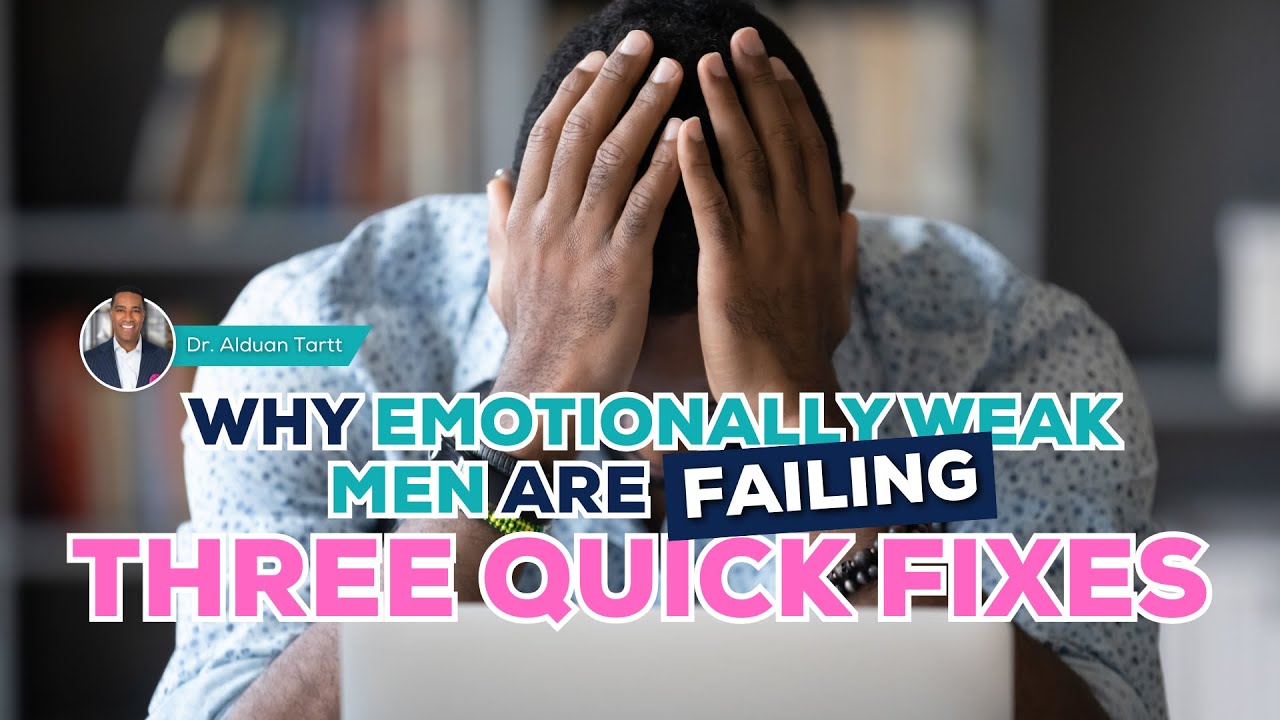
  • How Men Become Emotionally Strong…What’s Holding Us Back & What Propels Forward

    How Men Become Emotionally Strong…What’s Holding Us Back & What Propels Forward

    Real Strength: Why Emotionally Strong Men Heal & Succeed

    Men are often taught to be strong, silent, and stoic—but what if that silence is secretly breaking them down?

    As we recognize Men’s Mental Health Month upcoming, we’re shedding light on a powerful truth: real strength requires emotional honesty. Too many men silently carry heavy burdens, suppressing their pain, stress, and trauma. But emotional suppression doesn’t build strength—it fractures relationships, sabotages mental wellness, and steals away peace and purpose.

    In my recent YouTube video, we tackled why emotional suppression is silently damaging men. Let’s dive deeper here, and equip you with powerful tools to reclaim emotional strength and healthier relationships.

    The Silent Epidemic: Emotional Suppression

    Society often tells men to hide their emotions, to “man up,” and tough it out. While appearing strong externally, many men are internally drowning. Stress, trauma, grief, loneliness—all bottled up—eventually explode as anxiety, depression, anger, or relationship breakdowns.

    As Proverbs 18:1 warns, “A man who isolates himself seeks his own desire; he rages against all wise judgment.” Isolation might feel safer, but it disconnects you from healing, support, and love.

    Even Jesus Wept: Biblical Truths on Emotional Honesty

    The Bible clearly demonstrates that emotions are human, healthy, and necessary. Jesus himself expressed grief openly (John 11:35), showing vulnerability isn’t weakness—it’s human and essential to authentic strength.

    James 5:16 instructs us, “Confess your faults one to another… that you may be healed.” Emotional honesty is not just allowed; it’s actively encouraged for genuine healing and connection.

    Three Practical Solutions to Build Emotional Strength and Relationship Success

    1. Express, Don’t Suppress:Practice sharing your emotions safely with trusted friends, family, or professionals. Emotional openness enhances mental clarity, reduces anxiety, and fosters deeper relationships.

    2. Create Brotherhood & Accountability:Connect with other men committed to emotional wellness. Community support is a powerful healer. Galatians 6:2 reminds us to “bear one another’s burdens.” You don’t have to heal alone.

    3. Prioritize Mental & Emotional Health:View emotional health as strength training for your mind. Seek therapy, counseling, or faith-based guidance to strengthen your mental resilience. Emotionally healthy men make better husbands, fathers, leaders, and friends.

    Why Healed Men Make Better Leaders

    Healing isn’t just about personal peace—it positively impacts everyone around you. Ephesians 5:25 says, “Husbands, love your wives as Christ loved the church.” When men heal emotionally, they love deeper, lead stronger, and model emotional intelligence for the next generation.

    Final Thoughts

    Real strength isn’t suppressing your pain—it’s courageously facing and healing from it. Let’s break the stigma and build a community of emotionally strong men.

    Watch the full video for deeper insights: How To Help Men Be Emotionally Strong

    It’s time to heal. You deserve it. Your family deserves it. And your community needs you strong—emotionally and spiritually.

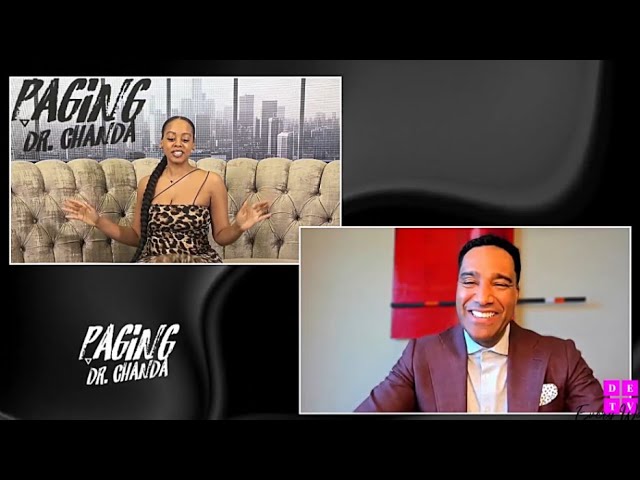
  • Understanding Red Flags & Love Languages In Relationships- Dr. Chanda Interviews Dr. Tartt

    Understanding Red Flags & Love Languages In Relationships- Dr. Chanda Interviews Dr. Tartt

    Understanding Love Languages & Red Flags in Dating

    Are You Speaking Your Partner’s Love Language or Just Your Own?

    Love languages are often discussed in relationships, but there’s a deeper layer that many people overlook: the difference between how you naturally give love and how your partner actually receives it.

    Dr. Gary Chapman’s five love languages—Words of Affirmation, Acts of Service, Receiving Gifts, Quality Time, and Physical Touch—provide insight into how we express and interpret love. However, many couples struggle because they assume their partner feels loved the same way they do.

    For example, you might naturally express love by giving thoughtful gifts, believing that a surprise present speaks volumes. But if your partner’s primary love language is Quality Time, they might appreciate uninterrupted conversations or shared experiences more than any gift. This mismatch can leave both partners feeling unfulfilled—even though love is being given!

    How to Bridge the Love Language Gap

    1. Identify Your Own Love Language – What’s the most natural way you show love? Is it what your partner needs?

    2. Learn Your Partner’s Love Language – What makes them feel valued and connected?

    3. Be Intentional About Meeting Their Needs – If your love language is Acts of Service, but your partner needs Words of Affirmation, challenge yourself to give genuine verbal encouragement.

    4. Communicate Openly – Ask, “Do you feel loved when I do this?” It’s a simple yet powerful way to ensure your love is landing the way you intend.

    At the end of the day, real love isn’t just about expressing affection your way—it’s about making sure your partner feels loved their way.

    Red Flags Women Shouldn’t Ignore in Dating

    Dating can be exciting, but it’s important to stay mindful of red flags that signal deeper relationship issues. One of the biggest warning signs? A man who refuses to accept influence.

    What Does It Mean to “Accept Influence”?

    In healthy relationships, both partners should be open to each other’s opinions, perspectives, and feelings. A man who rejects influence may:

    • Always need to be right in arguments, never considering your point of view.

    • Dismiss your concerns or belittle your feelings when conflicts arise.

    • Struggle with compromise, insisting that things always go his way.

    According to relationship expert Dr. John Gottman, men who accept influence from their partners have stronger, more successful relationships. Why? Because they view their partner as an equal, not as someone to dominate or control.

    Other Red Flags That Shouldn’t Be Ignored

    🚩 Lack of Emotional Availability – He keeps you at arm’s length, avoids deep conversations, or struggles to express feelings.🚩 Inconsistent Actions vs. Words – He talks about commitment but doesn’t back it up with action.

    🚩 History of Badmouthing Exes – If every ex is “crazy” or “toxic,” he may be the real problem.

    🚩 Controlling Behavior – He subtly (or overtly) tries to control what you wear, who you spend time with, or how you express yourself.

    What to Do If You Spot Red Flags

    1. Trust Your Gut – If something feels off, don’t ignore it.

    2. Set Boundaries – Be clear about what you will and won’t tolerate.

    3. Observe Patterns – One bad moment can be forgiven, but consistent behavior patterns tell the real story.

    4. Walk Away If Necessary – It’s better to leave a problematic relationship early than to invest in someone who refuses to grow.

    The key to healthy love is mutual respect, open communication, and emotional security. If a man isn’t willing to accept influence or grow alongside you, he may not be the right partner for a fulfilling relationship.

    Final Thoughts

    Love languages and red flags are two sides of the same coin—one helps build a strong relationship, while the other helps you avoid a bad one. When you’re dating or in a relationship, take the time to understand how love is given and received while also staying mindful of warning signs that could lead to emotional distress.

  • Marriage Is A Very Good Thing For Men, Especially African-American Men…Here’s Why

    Marriage Is A Very Good Thing For Men, Especially African-American Men…Here’s Why

    Marriage: The Key to Health, Wealth, and Happiness for Black Men

    In today’s society, marriage is often portrayed as an optional lifestyle choice rather than a foundation for a thriving community. However, research consistently shows that marriage significantly benefits men—particularly Black men—in terms of health, wealth, and overall well-being. If Black men embrace marriage as a strategic life decision, it can transform not only their personal lives but also the collective strength of our communities. Let’s explore why marriage matters and why Black men should consider this powerful institution.

    1. Marriage Makes Black Men Happier

    Studies show that married men report greater happiness and life satisfaction than their unmarried counterparts. A Pew Research Center study found that 36% of married men describe themselves as “very happy,” compared to only 21% of single men. Married individuals tend to have stronger support systems, experience less loneliness, and engage in healthier behaviors, all of which contribute to a greater sense of well-being.

    For Black men, these benefits are even more profound. Given the social and economic stressors that Black men face, having a supportive spouse can be a crucial buffer against life’s challenges. A loving partnership fosters emotional stability, reduces stress, and increases overall life satisfaction.

    2. Marriage Increases Longevity and Health

    Marriage is linked to better physical and mental health outcomes for men. According to a Harvard study, married men live an average of 8-17 years longer than their unmarried peers. Why? Because marriage encourages healthier lifestyles—married men are more likely to visit doctors regularly, engage in preventive health measures, and avoid risky behaviors.

    For Black men, who already face health disparities such as higher rates of hypertension and heart disease, the protective benefits of marriage cannot be ignored. Married Black men are more likely to prioritize their health and receive the support needed to maintain it.

    3. Marriage Boosts Financial Success

    One of the most compelling reasons for Black men to consider marriage is the financial advantage it offers. According to the U.S. Census Bureau, married couples accumulate more wealth than their single counterparts. A 2019 study revealed that the median net worth of married households is nearly 10 times higher than that of single households.

    Black men who marry benefit from dual incomes, shared expenses, and increased financial discipline. Additionally, a stable home environment creates a better foundation for raising children with stronger financial legacies.

    4. The Power of Marriage in Other Ethnic Communities

    Black men can learn valuable lessons from other cultures, particularly the Indian community, where marriage is deeply valued. Indian households tend to emphasize early marriage, family support, and economic cooperation. As a result, Indian Americans have one of the highest median household incomes among ethnic groups in the U.S. (around $119,000 annually, according to the Pew Research Center).

    When families combine resources and build generational wealth, entire communities thrive. By embracing marriage as a pathway to collective prosperity, Black men can enhance not only their personal finances but also the economic strength of the Black community as a whole.

    5. Strengthening Black Families and Communities

    Strong families are the foundation of strong communities. When Black men commit to marriage, they provide stability for their spouses, children, and extended families. This, in turn, reduces crime, improves educational outcomes for children, and fosters a culture of success.

    Marriage also serves as a model for younger generations, showing them the importance of responsibility, love, and commitment. If more Black men step into their roles as loving husbands and fathers, the ripple effect will transform our neighborhoods and create a more empowered future.

    Overcoming Fear and Embracing Marriage

    Many Black men hesitate to marry due to fears of financial instability, past relationship failures, or societal discouragement. However, these fears should not overshadow the overwhelming benefits that marriage provides. The truth is, with the right partner, marriage becomes a source of strength, growth, and legacy-building.

    Final Thoughts

    Marriage is more than just a romantic partnership—it is a powerful institution that enhances health, increases happiness, and builds generational wealth. Black men who embrace marriage can experience better life outcomes and contribute to the collective success of our community. Let’s shift the narrative, encourage commitment, and invest in strong Black families. The future depends on it.

  • Why He’s Afraid to Love Again: 3 Powerful Ways Men Heal from Heartbreak

    “What if I get hurt again?”

    Let’s be real—many men want to love, want to commit, and even want to marry, but the fear of heartbreak stops them in their tracks. Maybe you gave your all in a relationship, only to be blindsided by betrayal, rejection, or disappointment. Maybe you tried to lead with love, but it wasn’t enough. And now, the voice in your head whispers:

    “You’re a fool if you let yourself go through that again.””Women will always let you down.””Maybe I’m just not meant for marriage.”

    Bro, I hear you. But here’s the truth: heartbreak doesn’t have to define you—it can refine you. You can come back stronger, wiser, and better prepared for the love God truly has for you. Here are three powerful, research-backed and biblical strategies to help you heal and move forward with confidence.

    1. Reframe the Narrative – Your Pain Has a Purpose

    The Inner Dialogue:“She wasted my time.””I was stupid to believe in love.””I don’t even know what I did wrong.”

    It’s easy to replay the heartbreak like a bad highlight reel. But psychology—and Scripture—teach us that how you interpret pain affects your healing. Cognitive Behavioral Therapy (CBT) reveals that the stories we tell ourselves shape our emotional state. If you keep telling yourself that you’re a fool, that all women are untrustworthy, or that love always ends in pain, you will stay stuck.

    Instead, shift your mindset. Your past relationship wasn’t a waste—it was preparation. God allowed it for a reason, even if you don’t see it yet.

    Romans 8:28 reminds us, “And we know that in all things God works for the good of those who love Him, who have been called according to His purpose.”

    That pain wasn’t meant to destroy you. It was meant to refine you. Ask yourself:

    ✅ What did I learn from this relationship?✅ What do I now know about myself that I didn’t before?✅ How can I use this experience to be a better man for my future wife?

    When you stop seeing heartbreak as a failure and start seeing it as preparation, you take back control of your story.

    2. Emotional Resilience Through Brotherhood – Heal in Community

    The Inner Dialogue:“I don’t need to talk about it. I’ll just move on.””No one wants to hear me complain.””Real men suffer in silence.”

    Here’s a hard truth: isolation will not heal you—it will harden you.

    Studies show that men process emotions differently than women, often internalizing pain instead of expressing it. But keeping it all bottled up only leads to anger, mistrust, and emotional shutdown.

    That’s why Proverbs 27:17 tells us, “As iron sharpens iron, so one man sharpens another.”

    You need solid brothers around you—mentors, friends, or a trusted counselor—who will help you process the pain and challenge you to heal instead of becoming bitter.

    What this looks like in real life:

    • Instead of ghosting your boys, schedule time to talk and do things you enjoy together.

    • Find a men’s group where real conversations about life and faith happen.

    • Get a mentor—someone who has been through heartbreak and come out stronger.

    • If the pain is overwhelming, consider seeing a therapist or pastor for guidance.

    Real strength isn’t about hiding your wounds—it’s about healing them.

    3. Trust and Date With Purpose – Seek a Woman of Character

    The Inner Dialogue:“I’ll just stay single. It’s safer.””I need to test women before trusting them.””I don’t know how to tell if she’s the right one.”

    Heartbreak can make you cautious—and that’s okay. But don’t let it turn into fear that keeps you from the relationship God has for you. The key is to date with wisdom, not just emotion.

    Proverbs 18:22 says, “He who finds a wife finds what is good and receives favor from the Lord.” Notice—it doesn’t say, “He who finds a perfect woman” or “He who never experiences heartbreak.” It says when you find a wife of godly character, you receive favor.

    This means you must shift from dating based on chemistry alone to dating based on values and character.

    Signs of a woman worth building with:

    ✅ She has a strong faith and values integrity.

    ✅ She is emotionally mature and communicates openly.

    ✅ She supports your growth instead of manipulating your emotions.

    ✅ She brings peace, not chaos, into your life.

    Instead of fearing love, seek the right kind of love. Trust isn’t about testing people until they fail—it’s about choosing wisely from the start.

    Final Word: Your Future is Greater Than Your Past

    Fellas, I know heartbreak is real. The fear of being hurt again is real. But the biggest mistake you can make is allowing one painful chapter to define the whole book of your life.

    You were created for love. You were created for connection. And when you heal, when you rebuild, and when you trust with wisdom, you’ll see that God has something greater ahead.

    Your Next Step: Don’t stay stuck. If you’re ready to heal and prepare for a strong relationship, let’s talk. Connect with me at [your website/social media] and take that next step toward love with confidence.

  • Stop Falling for the Representative! How to Date with Intention

    Stop Falling for the Representative! How to Date with Intention

    Date Smarter: Why You Should Interview Your Date Like a Job Candidate!

    Imagine this: You’re the CEO of a thriving company—your life. Every decision you make, from friendships to finances, impacts the success of your business. Now, would you hire an employee just because they seemed nice in an interview, or would you thoroughly vet them to make sure they’re the right fit for the role? Exactly.

    So why do so many people hand over their hearts without doing the same level of due diligence in dating?

    The Representative vs. The Real Person

    Let’s be real—most people don’t show up as their authentic selves in the beginning stages of dating. They present a polished, well-rehearsed version of themselves, a “representative,” if you will. You know, the one who opens doors, laughs at all your jokes, and texts “good morning” before you even open your eyes. But what happens when that representative clocks out and the real person shows up?

    Enter the Dating Interview Process.

    If companies use interviews to avoid hiring the wrong employee, why wouldn’t you do the same to avoid heartbreak? The goal is to assess fit, alignment, and overall relationship potential before investing months—or even years—only to realize they weren’t a match.

    Step 1: Be Clear About What You Want

    Think about your ideal job—before applying, you probably check the job description to make sure it aligns with your skills and goals. Dating should be no different.

    Before you go on another date, get crystal clear on what you want in a partner. Are you looking for marriage? Companionship? A business-minded partner who can build an empire with you? If you don’t state your expectations upfront, you leave room for assumptions—and assumptions lead to disappointment.

    How to Apply This:

    Example Conversation:

    You: “I’m dating with the intention of building a strong, healthy relationship that leads to marriage. I value emotional intelligence, ambition, and faith. What about you?”

    Them: “Uhhh… I’m just seeing where things go.”

    You: “That’s fair, but I’ve found that being intentional helps avoid confusion later. Have you thought about what you truly want long-term?”

    Them: “I mean, I guess eventually I want marriage, but I’m not in a rush.”

    You: “Got it. When you say ‘not in a rush,’ do you have a general timeline in mind? Like, within the next few years, or is it more of a ‘when it happens, it happens’ kind of thing?”

    Them: “Honestly, I haven’t thought about it that way. I just know I don’t want to feel pressured.”

    You: “That makes sense. For me, having a general timeframe helps me make sure I’m building something with someone who’s on the same page. I’d rather know now if our expectations align instead of finding out a year from now that we’re in completely different places.”

    Step 2: Assess Work-Life Balance and Past Relationship Patterns

    One of the biggest challenges in relationships is balance. Some people prioritize career and financial success so much that they unintentionally neglect their relationships. It’s important to ask early on how your potential partner manages their time and responsibilities.

    Example Conversation:

    You: “Tell me about your work schedule—do you find time for personal relationships, or is work your main focus right now?”

    Them: “I work a lot. I have some free time, but my career is a big priority.”

    You: “I get that. Ambition is important. Have you found a way to balance work and personal life, or is that still something you’re working on?”

    Them: “I try, but honestly, I haven’t really figured it out yet.”

    You: “That’s fair. Can I ask—have you been in relationships before where this was an issue? If so, what did you learn from those experiences?”

    Them: “Yeah, my last relationship ended partly because I was always working. I wanted to make changes, but I guess I didn’t follow through the way I should have.”

    You: “I appreciate your honesty. Do you feel like you’re in a place now where you could make those adjustments, or is work still your main focus?”Them: “I’d like to, but I don’t know how realistic it is right now.”

    You: “Thanks for sharing that. I think balance is key in a relationship, and for me, I need someone who can be present emotionally and physically. It’s good to know where we both stand before moving forward.”

    Step 3: Date Slowly—The 90-Day Probationary Period

    Most jobs have a probationary period to assess fit. Dating should work the same way. Give yourself time to observe their consistency, communication style, and whether they follow through on what they say.

    Instead of diving in headfirst, take at least 90 days to evaluate the relationship before committing. Look for patterns, not just promises.

    • Do they show up for you consistently?

    • Are their actions aligning with their words?

    • Are they making space for the relationship, or is everything on their terms?

    The Takeaway

    When you treat dating like a hiring process, you save yourself time, energy, and heartbreak. By asking the right questions, observing patterns, and giving yourself time to evaluate the relationship, you ensure that you’re investing in someone who truly fits what you’re looking for.

    Because at the end of the day, you deserve a partner—not just a representative. Choose wisely.

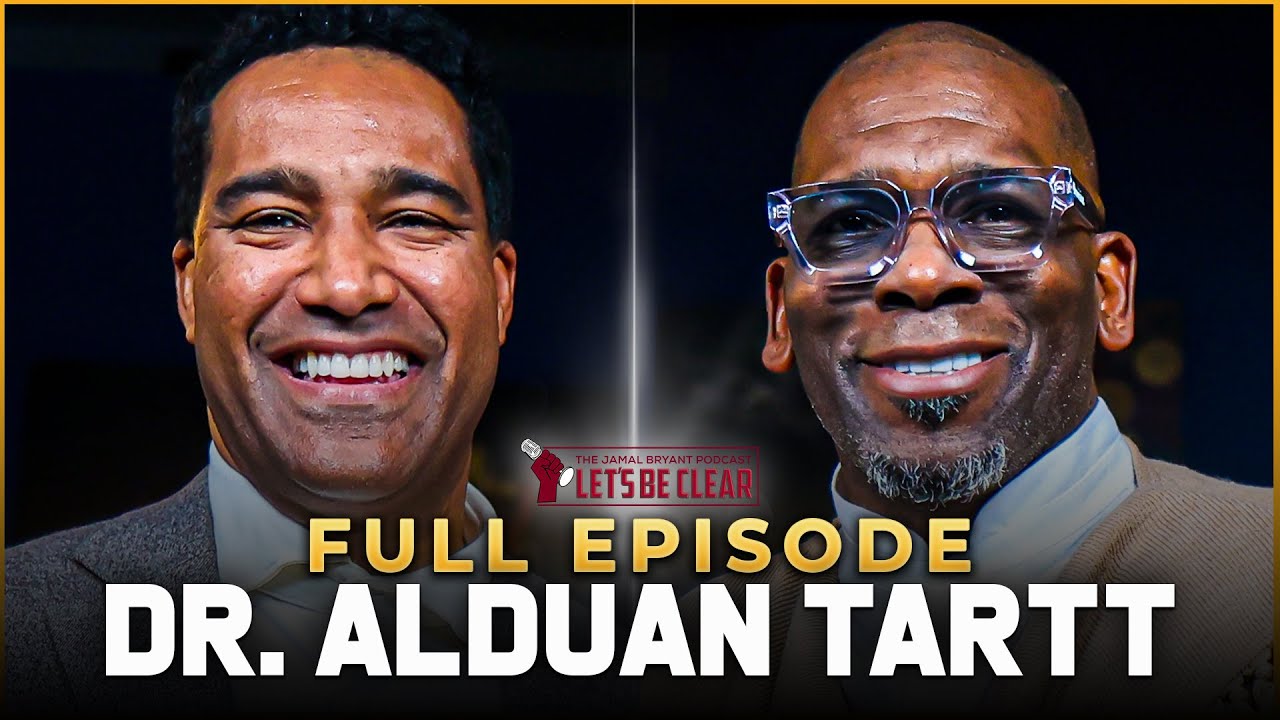
  • Exclusive Interview: Dr. Alduan Tartt & Pastor Jamal Bryant on Love, Marriage & Relationship Wisdom

    Exclusive Interview: Dr. Alduan Tartt & Pastor Jamal Bryant on Love, Marriage & Relationship Wisdom

    Watch the full interview above before diving into these key takeaways!

    When it comes to love and marriage, many women are searching for wisdom on how to find the right partner and cultivate a thriving relationship. In an exclusive conversation with Pastor Jamal Bryant, Dr. Alduan Tartt shared powerful insights on expanding the dating pool, strengthening emotional connections in marriage, and the hidden dangers of dating men with unresolved mother wounds. Here are three essential takeaways from their discussion:

    1. Expanding Your Social Circle to Find the Right Man

    Dr. Tartt emphasized that one of the biggest mistakes women make in dating is limiting their social interactions. If you want to meet quality, marriage-minded men, you have to be intentional about expanding your network. This means:

    • Attending social events, conferences, and community gatherings where eligible men are present.

    • Engaging in activities that naturally attract high-caliber individuals, such as leadership groups, volunteering, or faith-based organizations.

    • Stepping outside your comfort zone by accepting invitations, traveling, and being open to new experiences.

    Pastor Bryant agreed, noting that faith and action go hand in hand. “You can pray for a husband, but you also have to put yourself in a position to be found,” he said. The takeaway? Be social, be seen, and be strategic.

    2. Prioritizing Deep Emotional Connection & Friendship in Marriage

    While attraction and romance are important, Dr. Tartt stressed that the foundation of a successful marriage is deep emotional intimacy and genuine friendship. He explained that couples who thrive long-term focus on:

    • Consistently engaging in meaningful conversations beyond surface-level topics.

    • Prioritizing quality time together to nurture their bond.

    • Supporting each other emotionally, mentally, and spiritually through life’s challenges.

    Pastor Bryant echoed this sentiment, emphasizing that “the couples who last are the ones who can laugh together, cry together, and genuinely enjoy one another’s company.” If you’re in a relationship or marriage, make it a point to cultivate true friendship—it’s the glue that holds everything together.

    3. The Danger of Dating Men with Toxic Mother-Son Relationships

    Perhaps one of the most eye-opening points of the conversation was Dr. Tartt’s warning about dating men with unresolved trauma from harsh, toxic, or absent mothers. He explained that a boy’s first love is his mother, and if that relationship is unhealthy, it can create deep wounds that impact his ability to love and connect in adulthood.

    Signs of concern include:

    • A man who has a strained or non-existent relationship with his mother but hasn’t processed or healed from it.

    • Someone who either idolizes his mother to an unhealthy degree or resents her deeply, affecting his perception of women.

    • An inability to express vulnerability, emotional closeness, or commitment in relationships.

    Dr. Tartt strongly advised women to be discerning and, if necessary, encourage counseling before entering a serious relationship. “If he hasn’t done the inner work, you’ll be the one paying the emotional cost,” he cautioned.

    Final Thoughts

    This powerful discussion between Dr. Alduan Tartt and Pastor Jamal Bryant provided invaluable wisdom for women seeking love and fulfilling relationships. From expanding your dating options to deepening marital bonds and being aware of red flags in a man’s emotional health, these insights can transform the way you approach relationships.

    What are your thoughts on these takeaways? Let’s continue the conversation in the comments below!