You still love your spouse. You still pray for your marriage. But lately, something’s shifted—and not in a good way. The laughter is rare. The connection feels off. The silence? It’s deafening.
Most marriages don’t break in one blow. They quietly unravel across five stages. And if you’re in any of them, now is the time to act.
Let me walk you through them—and show you how to stop the slide before it becomes a freefall.
1. Disillusionment – “This isn’t what I signed up for.”
It starts with disappointment. You’re doing life together, but not living together. The spark dims, and frustration creeps in.
“I remember sitting next to him at dinner, thinking, ‘How did we become strangers?’”
This is the first warning sign—and also your best chance to change direction.
2. Erosion – “We argue about everything—or nothing at all.”
The little things start adding up. Resentments stay unresolved. Conversations feel like landmines—or they don’t happen at all.
“I started keeping score. He forgot my birthday. I didn’t tell him I got promoted. We both punished each other in quiet, petty ways.”
The damage is subtle, but real. And it grows if left unchecked.
3. Detachment – “I stopped trying.”
You stop bringing things up… not because everything’s fine, but because you’ve started to give up.
“He came home late, and I didn’t even ask where he’d been. I just turned over and went to sleep.”
This isn’t peace—it’s emotional numbness. And it’s dangerous.
4. The Straw – “Everything feels like too much.”
One more disagreement. One more forgotten need. One more moment where you feel invisible—and it all starts to feel like the final straw.
“We were walking on eggshells. The kids could feel it. Even loading the dishwasher turned into a fight.”
When the weight of everything becomes too heavy, the relationship starts to crack under pressure.
5. Emotional Death – “I love them… but I don’t feel it anymore.”
This is where couples start talking in past tense.“We used to be close.”“He used to make me laugh.”
“I told my friend, ‘We’re still married, but it feels over.’ I didn’t want a divorce—but I didn’t want this either.”
This is the final stage. But it doesn’t have to be the end of your story.
There’s Still Time to Choose Each Other Again
We created A Weekend For Love for couples just like you—couples who feel distant, but not done.I’ve watched men cry during prayer. I’ve seen wives smile again after years of silence.I’ve witnessed God breathe life back into what felt broken.
You don’t need more time. You need space. You need tools. You need hope.
Join us July 18–21, 2025 at Barnsley Gardens, GA.This luxury, faith-based retreat is private, peaceful, and built for true reconnection—without the pressure to share your story with strangers.
It’s just you, your spouse, the right guidance, and the time to finally focus on what matters most.
Don’t wait until it’s too late. Let this be your turning point.
Let’s set the record straight: Leadership in relationships isn’t about control—it’s about connection.
Being a godly, emotionally intelligent man isn’t just “nice to have.” It’s the difference between a relationship that survives and one that flourishes. If you want to be the kind of husband or partner a woman feels safe, seen, and supported by—you must lead with emotional strength.
That strength isn’t measured by how loud you are, how much money you make, or how fast you fix problems. It’s measured by how safe you make her feel emotionally. Let’s break it down.
1. Speak Life: Use Words That Heal, Not Harm
Dr. John Gottman, a renowned relationship researcher, found that contempt—sarcastic remarks, criticism, eye-rolling—is the strongest predictor of divorce.
What that means for us as men is simple: If we want deep connection, our words have to create comfort, not conflict.
“Gracious words are a honeycomb, sweet to the soul and healing to the bones.” – Proverbs 16:24
Action Step:
Before you speak, ask yourself:“Is what I’m about to say helpful, necessary, and loving?”If not—pause. Reframe. Or take a break and come back better. A wise man guards his tone like his wallet.
2. Validate Her Emotions Without Getting Defensive
According to Dr. Sue Johnson, founder of Emotionally Focused Therapy, emotional responsiveness is what makes love last. That means when your wife or girlfriend is upset, she doesn’t need a solution—she needs connection.
Your role is to listen, understand, and respond with empathy.
“Bear one another’s burdens, and so fulfill the law of Christ.” – Galatians 6:2
Action Step:
Next time she opens up emotionally, say:“That makes total sense. I didn’t know you felt that way. Tell me more.”
That one line builds more trust than any apology ever could. Validation is how emotionally intelligent men win her heart repeatedly.
3. Lead the Emotional Climate of the Relationship
Real leadership isn’t about being loud—it’s about being regulated. Dr. Stan Tatkin calls this being the “anchor partner”—the one who stays grounded during storms.
If you explode during conflict, shut down emotionally, or get defensive, you unintentionally become a threat—not a protector. But if you stay calm and lead with love, you make your home a sanctuary, not a battlefield.
“A hot-tempered man stirs up strife, but he who is slow to anger quiets contention.” – Proverbs 15:18
Bonus Insight:Research shows that when people become emotionally flooded (heart rate over 100 bpm), they literally lose the ability to problem-solve. Taking a 20-minute break can reset your nervous system.
Action Step:When emotions escalate, say:“I want to respond with love, not heat. Let’s take a break and revisit this when we’re both calm.”
That’s leadership. That’s love in motion.
Final Thoughts: Emotional Safety Is Leadership
Listen—your wife, your girlfriend, the woman you’re trying to build with—she doesn’t need you to be perfect.
She needs you to be present.She needs your strength, yes—but emotional strength, not just physical or financial.
Emotionally intelligent men win at marriage because they lead with grace, speak with love, and regulate with wisdom. That’s the kind of leadership heaven honors.
Reflect & Apply:
When was the last time your #words made your partner feel cherished?
How do you handle emotional tension: with empathy or defensiveness?
What daily habit can you build to show up as an emotionally safe partner?
Let’s lead with emotional maturity. Let’s lead with God. Let’s lead with love.– Dr. Alduan Tartt
Why So Many Black Men Fear Marriage—And What Needs to Change
By Dr. Alduan Tartt | Psychologist • Minister • Relationship Expert
Marriage should be one of the most fulfilling relationships a man can experience. Yet for many Black men, it’s become something to fear instead of desire.
While many brothers deeply long for love, family, and legacy, they often carry internal fears that hold them back—fears of failure, financial ruin, loss of freedom, and emotional pain.
These fears are real. But they don’t have to define us.
After more than 20 years working with Black men as a psychologist and relationship coach, I’ve learned this truth:
Black men aren’t afraid of love.They’re afraid of losing.They’re not incapable of commitment—they’re afraid of becoming what they’ve seen.And they’re not rejecting marriage—they just haven’t seen it modeled in a way that looks life-giving.
So today, let’s break down the five most common fears Black men carry about marriage, and offer real, powerful strategies to transform those fears into faith, purpose, and legacy.
1. “I Don’t Want to Fail Like My Father”
Fear-Based Thought:“I didn’t grow up seeing a healthy marriage… so what makes me think I can do it better?”
Marriage-Minded Shift:“I’m not my father. I get to break generational cycles and build something better.”
Many Black men come from homes without a healthy marriage model. The impact is lasting. When dysfunction is your reference point, it becomes easy to believe that love is destined to fail.
What to Do:
Surround yourself with healthy, married men you respect.
Seek therapy to heal and rewire limiting beliefs.
Embrace the truth: what you saw isn’t what you’re doomed to repeat.
Romans 12:2 (NIV)“Do not conform to the pattern of this world, but be transformed by the renewing of your mind. Then you will be able to test and approve what God’s will is—his good, pleasing and perfect will.”
2. “If I Ain’t Rich, I Can’t Be a Husband”
Fear-Based Thought:“I gotta get my money right before I even think about marriage. A broke man ain’t respected.”
Marriage-Minded Shift:“Marriage isn’t about already having it all—it’s about building together with someone who believes in us.”
This belief keeps so many men stuck in the waiting room of life. While it’s wise to be financially responsible, the idea that you must be wealthy to marry is misleading—and costly.
In cultures like North Indian and Chinese communities, couples often marry with the goal of building wealth together. Black men deserve to adopt that mindset too.
What to Do:
See marriage as a wealth-building partnership.
Stop waiting on perfection and start choosing aligned purpose.
Build with someone who shares your vision and grind.
📖 Ecclesiastes 4:9 (NIV)“Two are better than one, because they have a good return for their labor.”
3. “Marriage Means Losing My Freedom”
Fear-Based Thought:“I don’t want to be trapped. Answering to someone. No more peace, no more space.”
Marriage-Minded Shift:“Healthy marriage is peace. It’s not a trap—it’s a team.”
Too many men equate marriage with control and loss. But this belief often stems from toxic ideas about masculinity—where love is weakness and vulnerability is dangerous.
What to Do:
Redefine freedom. It’s not about isolation—it’s about support.
Let go of the fear that your wife will dominate you. A godly woman partners with you, not against you.
Study examples of healthy relationships that model leadership through love, not control.
📖 Ephesians 5:25 (NIV)“Husbands, love your wives, just as Christ loved the church and gave himself up for her.”
4. “Divorce Will Destroy Me”
Fear-Based Thought:“I’ve seen men lose everything in divorce—money, kids, dignity. I’m not taking that risk.”
Marriage-Minded Shift:“I can prepare for success instead of running from risk.”
Fear of divorce is real—and deeply justified. Many Black men have witnessed the emotional and financial devastation that comes from broken marriages. But avoiding marriage doesn’t eliminate risk—it eliminates the opportunity for growth, connection, and legacy.
What to Do:
Invest in premarital counseling—it lowers divorce rates by up to 31%.
Build relationships on shared values, not just chemistry.
Anchor your relationship in faith, accountability, and mentorship.
📖 Matthew 7:24 (NIV)“Therefore everyone who hears these words of mine and puts them into practice is like a wise man who built his house on the rock.”
5. “I Don’t Know How to Be a Husband”
Fear-Based Thought:“Nobody taught me. I didn’t have an example. I don’t want to fail her.”
Marriage-Minded Shift:“I can learn. I can grow. I’m willing to become the husband I never saw.”
This is one of the most honest and courageous fears Black men face. Most were never taught how to lead emotionally, resolve conflict, or love sacrificially. But that doesn’t mean you can’t learn.
What to Do:
Seek wisdom from mentors, books, courses, and therapy.
Understand that being a good husband is a skill—not just a feeling.
Trust that if God placed the desire in you, He’ll also equip you.
📖 Proverbs 4:7 (KJV)“Wisdom is the principal thing; therefore get wisdom: and with all thy getting get understanding.”
From Fear to Legacy: A New Mindset
Here’s the truth: the future of Black love depends on us.
We must replace fear-based thinking with legacy-building faith.
Fear-Based Thinking
Legacy-Based Thinking
“Marriage will ruin me.”
“Marriage will refine me.”
“I don’t trust women.”
“I trust God to lead me.”
“I’m not ready to commit.”
“I’m ready to grow into commitment.”
“I might lose everything.”
“Together, we’ll build more.”
What Needs to Change—Now
Black men need healing, mentorship, and emotional tools.
Black women need to offer safety and grace without judgment.
Our community needs to normalize love, family, and healthy marriage—not just dating drama.
Faith leaders and therapists need to teach not just principles—but practical relationship skills.
Final Word
You’re not too broken. You’re not too late.You’re not disqualified from love.
You were made to lead in your home, to love deeply, and to leave a legacy.Let’s stop fearing marriage and start preparing for it—together.
2 Timothy 1:7 (NKJV)“For God has not given us a spirit of fear, but of power and of love and of a sound mind.”
Let’s Talk:
What’s one fear about marriage you’ve struggled with—or seen in a man you love?Leave a comment and join the conversation. Your honesty may be someone else’s breakthrough.
Marriage: The Key to Health, Wealth, and Happiness for Black Men
In today’s society, marriage is often portrayed as an optional lifestyle choice rather than a foundation for a thriving community. However, research consistently shows that marriage significantly benefits men—particularly Black men—in terms of health, wealth, and overall well-being. If Black men embrace marriage as a strategic life decision, it can transform not only their personal lives but also the collective strength of our communities. Let’s explore why marriage matters and why Black men should consider this powerful institution.
1. Marriage Makes Black Men Happier
Studies show that married men report greater happiness and life satisfaction than their unmarried counterparts. A Pew Research Center study found that 36% of married men describe themselves as “very happy,” compared to only 21% of single men. Married individuals tend to have stronger support systems, experience less loneliness, and engage in healthier behaviors, all of which contribute to a greater sense of well-being.
For Black men, these benefits are even more profound. Given the social and economic stressors that Black men face, having a supportive spouse can be a crucial buffer against life’s challenges. A loving partnership fosters emotional stability, reduces stress, and increases overall life satisfaction.
2. Marriage Increases Longevity and Health
Marriage is linked to better physical and mental health outcomes for men. According to a Harvard study, married men live an average of 8-17 years longer than their unmarried peers. Why? Because marriage encourages healthier lifestyles—married men are more likely to visit doctors regularly, engage in preventive health measures, and avoid risky behaviors.
For Black men, who already face health disparities such as higher rates of hypertension and heart disease, the protective benefits of marriage cannot be ignored. Married Black men are more likely to prioritize their health and receive the support needed to maintain it.
3. Marriage Boosts Financial Success
One of the most compelling reasons for Black men to consider marriage is the financial advantage it offers. According to the U.S. Census Bureau, married couples accumulate more wealth than their single counterparts. A 2019 study revealed that the median net worth of married households is nearly 10 times higher than that of single households.
Black men who marry benefit from dual incomes, shared expenses, and increased financial discipline. Additionally, a stable home environment creates a better foundation for raising children with stronger financial legacies.
4. The Power of Marriage in Other Ethnic Communities
Black men can learn valuable lessons from other cultures, particularly the Indian community, where marriage is deeply valued. Indian households tend to emphasize early marriage, family support, and economic cooperation. As a result, Indian Americans have one of the highest median household incomes among ethnic groups in the U.S. (around $119,000 annually, according to the Pew Research Center).
When families combine resources and build generational wealth, entire communities thrive. By embracing marriage as a pathway to collective prosperity, Black men can enhance not only their personal finances but also the economic strength of the Black community as a whole.
5. Strengthening Black Families and Communities
Strong families are the foundation of strong communities. When Black men commit to marriage, they provide stability for their spouses, children, and extended families. This, in turn, reduces crime, improves educational outcomes for children, and fosters a culture of success.
Marriage also serves as a model for younger generations, showing them the importance of responsibility, love, and commitment. If more Black men step into their roles as loving husbands and fathers, the ripple effect will transform our neighborhoods and create a more empowered future.
Overcoming Fear and Embracing Marriage
Many Black men hesitate to marry due to fears of financial instability, past relationship failures, or societal discouragement. However, these fears should not overshadow the overwhelming benefits that marriage provides. The truth is, with the right partner, marriage becomes a source of strength, growth, and legacy-building.
Final Thoughts
Marriage is more than just a romantic partnership—it is a powerful institution that enhances health, increases happiness, and builds generational wealth. Black men who embrace marriage can experience better life outcomes and contribute to the collective success of our community. Let’s shift the narrative, encourage commitment, and invest in strong Black families. The future depends on it.
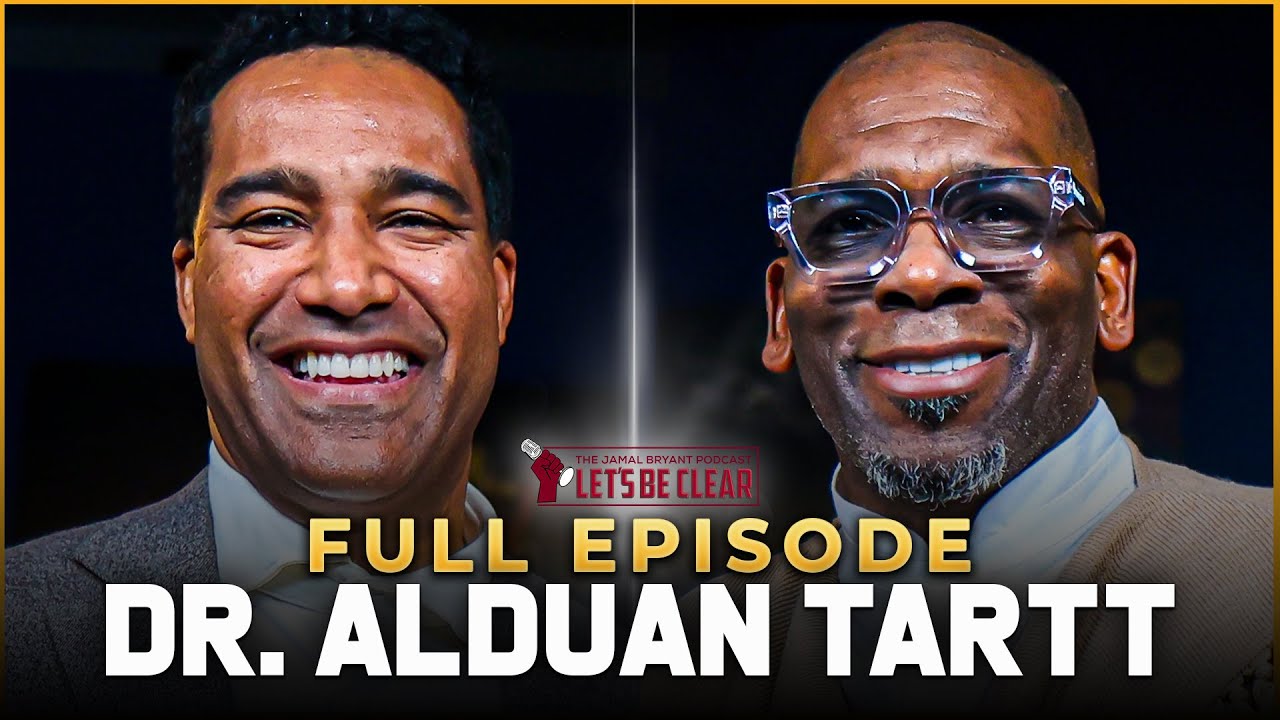
Watch the full interview above before diving into these key takeaways!
When it comes to love and marriage, many women are searching for wisdom on how to find the right partner and cultivate a thriving relationship. In an exclusive conversation with Pastor Jamal Bryant, Dr. Alduan Tartt shared powerful insights on expanding the dating pool, strengthening emotional connections in marriage, and the hidden dangers of dating men with unresolved mother wounds. Here are three essential takeaways from their discussion:
1. Expanding Your Social Circle to Find the Right Man
Dr. Tartt emphasized that one of the biggest mistakes women make in dating is limiting their social interactions. If you want to meet quality, marriage-minded men, you have to be intentional about expanding your network. This means:
Attending social events, conferences, and community gatherings where eligible men are present.
Engaging in activities that naturally attract high-caliber individuals, such as leadership groups, volunteering, or faith-based organizations.
Stepping outside your comfort zone by accepting invitations, traveling, and being open to new experiences.
Pastor Bryant agreed, noting that faith and action go hand in hand. “You can pray for a husband, but you also have to put yourself in a position to be found,” he said. The takeaway? Be social, be seen, and be strategic.
2. Prioritizing Deep Emotional Connection & Friendship in Marriage
While attraction and romance are important, Dr. Tartt stressed that the foundation of a successful marriage is deep emotional intimacy and genuine friendship. He explained that couples who thrive long-term focus on:
Consistently engaging in meaningful conversations beyond surface-level topics.
Prioritizing quality time together to nurture their bond.
Supporting each other emotionally, mentally, and spiritually through life’s challenges.
Pastor Bryant echoed this sentiment, emphasizing that “the couples who last are the ones who can laugh together, cry together, and genuinely enjoy one another’s company.” If you’re in a relationship or marriage, make it a point to cultivate true friendship—it’s the glue that holds everything together.
3. The Danger of Dating Men with Toxic Mother-Son Relationships
Perhaps one of the most eye-opening points of the conversation was Dr. Tartt’s warning about dating men with unresolved trauma from harsh, toxic, or absent mothers. He explained that a boy’s first love is his mother, and if that relationship is unhealthy, it can create deep wounds that impact his ability to love and connect in adulthood.
Signs of concern include:
A man who has a strained or non-existent relationship with his mother but hasn’t processed or healed from it.
Someone who either idolizes his mother to an unhealthy degree or resents her deeply, affecting his perception of women.
An inability to express vulnerability, emotional closeness, or commitment in relationships.
Dr. Tartt strongly advised women to be discerning and, if necessary, encourage counseling before entering a serious relationship. “If he hasn’t done the inner work, you’ll be the one paying the emotional cost,” he cautioned.
Final Thoughts
This powerful discussion between Dr. Alduan Tartt and Pastor Jamal Bryant provided invaluable wisdom for women seeking love and fulfilling relationships. From expanding your dating options to deepening marital bonds and being aware of red flags in a man’s emotional health, these insights can transform the way you approach relationships.
What are your thoughts on these takeaways? Let’s continue the conversation in the comments below!
When it comes to relationships, the qualities that truly matter often go beyond the surface. Sure, physical attraction is important, but when men think about a lifelong partner, they’re looking for something deeper. What do men really want in a woman when considering her as a wife? Let’s explore some of the most cherished traits men secretly seek in a wife, all backed by both practical examples and timeless scripture.
1. A Kind Heart
Kindness is an incredibly attractive quality. A woman who is genuinely kind and caring creates an atmosphere of warmth and positivity. Men appreciate partners who bring peace and gentleness into the relationship. A kind heart means going out of your way to make your partner feel valued, and it speaks volumes about how you will nurture a marriage.
Practical Example: Imagine him coming home after a tough day, and you’ve already prepared his favorite meal just to make him smile. Even small gestures like leaving him a thoughtful note can show him how much you care.
Scripture: “Let all that you do be done in love.” (1 Corinthians 16:14)
2. Understanding and Empathy
Men want a partner who can stand by them through life’s ups and downs. Someone who listens without judgment and offers support when times get tough. A woman who can empathize with his struggles shows that she’s there for the long haul, not just during the good times.
Practical Example: If he faces a setback at work, rather than minimizing his feelings, you listen, offer encouragement, and help him brainstorm solutions. Your empathy helps him feel understood and appreciated.
Scripture: “Rejoice with those who rejoice; mourn with those who mourn.” (Romans 12:15)
3. Ambition
Ambition isn’t just about career success—it’s about having goals and aspirations in life. Men are drawn to women who have a sense of purpose and drive. An ambitious woman doesn’t just sit back and wait for life to happen; she’s actively creating her own future, and this makes for a dynamic and inspiring partnership.
Practical Example: While you’re pursuing your own career goals, you’re also his biggest cheerleader, encouraging him to follow his dreams. Together, you both push each other toward success.
Scripture: “Whatever your hand finds to do, do it with all your might.” (Ecclesiastes 9:10)
4. Consistency
Reliability is key in building trust. Men appreciate women who are consistent in both their words and actions. Being dependable shows him that he can count on you, whether it’s during challenging times or everyday life. Consistency lays a foundation for a strong, lasting relationship.
Practical Example: You follow through on your promises, whether it’s being there for him during a big event or sticking to plans you’ve made together. Your reliability helps build his trust.
Scripture: “Let your yes be yes, and your no be no.” (James 5:12)
5. Someone Who Puts in the Effort
Long-term relationships don’t thrive on autopilot. It takes effort from both sides to keep the love alive, and men notice when their partner invests in the relationship. A woman who puts in the effort to make the relationship exciting, romantic, and meaningful is cherished.
Practical Example: You plan spontaneous date nights or surprise getaways, showing him that you’re committed to nurturing the connection you share. It’s the thought and effort that matter.
Scripture: “Whatever you do, work heartily, as for the Lord and not for men.” (Colossians 3:23)
6. A Sense of Humor
A shared sense of humor can be the glue that holds a relationship together. Men love women who can laugh with them and find joy in the little moments. Life is full of challenges, but a woman who can lighten the mood and bring laughter to their days is truly special.
Practical Example: Whether it’s inside jokes or watching a funny movie together, your ability to share laughter eases stress and deepens your bond.
Scripture: “A cheerful heart is good medicine.” (Proverbs 17:22)
7. Emotional Stability
Emotional maturity is a key factor in a strong, lasting partnership. Men appreciate women who handle their emotions with grace, without the need for excessive drama. Emotional stability helps both partners feel secure and builds a peaceful, loving environment.
Practical Example: During disagreements, you communicate calmly and effectively, focusing on finding a resolution rather than escalating the conflict.
Scripture: “A man without self-control is like a city broken into and left without walls.” (Proverbs 25:28)
8. Reliability
Being someone he can rely on, whether in decision-making or emotional support, is critical. Men value women who are dependable in managing both life’s daily responsibilities and the emotional ups and downs that come with a committed relationship.
Practical Example: You handle the household and offer emotional support with equal ease, showing him that he can depend on you.
Scripture: “The plans of the diligent lead surely to abundance.” (Proverbs 21:5)
9. Authenticity
There’s something deeply attractive about a woman who is completely herself. Men value authenticity in a partner—someone who is genuine and not afraid to show her true self. Authenticity fosters trust, as it shows that she is being honest and real.
Practical Example: You don’t just agree with everything he says. Instead, you share your own thoughts and opinions openly, which deepens the connection and understanding between you.
Scripture: “You shall know the truth, and the truth shall set you free.” (John 8:32)
10. Supportiveness
A supportive partner is invaluable in helping a man reach his full potential. Men are drawn to women who celebrate their achievements and encourage them during their journey toward success. This creates a strong, balanced relationship where both partners lift each other up.
Practical Example: You attend his important events, celebrate his successes, and support his ambitions just as much as you pursue your own.
Scripture: “Two are better than one because they have a good reward for their toil.” (Ecclesiastes 4:9)
Final Thoughts
While every relationship is unique, these qualities can serve as a guiding light for what men truly appreciate in a lifelong partner. At the heart of it all, men seek someone who will stand by them, support them, and grow with them as they journey through life. As you nurture these traits within yourself, you’re not just becoming wife material—you’re building a meaningful, loving relationship that stands the test of time.
What I Learned From 100 Couples About Being a Better Husband & Partner
After interviewing 100 couples about their relationships, I’ve uncovered some invaluable insights into what makes a partnership thrive. Whether you’re a husband looking to strengthen your marriage or a partner aiming to deepen your connection, these lessons can transform your relationship. Let’s dive into the three key areas that stood out in my research.
1. The Power of Shared Experiences
One consistent theme among happy couples was the importance of shared positive experiences. It’s not just about grand gestures or expensive vacations; it’s the accumulation of daily moments that truly matter.What I learned:
Successful partners prioritize quality time together, from simple activities like cooking a meal to trying new adventures.
These shared experiences create a bank of positive memories that couples can draw from during challenging times.
Regular date nights, celebrating each other’s achievements, and creating daily rituals of connection all contribute to a stronger bond.
How to be a better partner:
Initiate and plan activities you can enjoy together.
Be fully present during these shared moments, putting away distractions like phones.
Celebrate your partner’s successes, no matter how small.
2. The Foundation of Commitment and Shared Values
Another crucial aspect of thriving relationships is a strong foundation of commitment and shared values. This goes beyond just deciding to stay together; it’s about aligning your core beliefs and life goals.What I learned:
Couples who share similar values find it easier to navigate life’s challenges and make important decisions together.
Commitment involves emotional, personal, and moral aspects.
Having a shared vision for the future strengthens the relationship.
How to be a better partner:
Regularly discuss your long-term goals and aspirations with your partner.
Be open about your beliefs and listen respectfully to your partner’s perspectives.
Make important decisions together, especially on matters that affect both of you.
Support each other in living out your shared values.
3. The Importance of Nurturing Individual Identities
Surprisingly, maintaining individual identities within the relationship was a key factor in many successful partnerships. While growing together is beautiful, continuing to grow as individuals is equally important.What I learned:
Couples who support each other’s personal growth and maintain some level of independence often report higher relationship satisfaction.
Maintaining individual identities brings new experiences and perspectives into the relationship, keeping it fresh and exciting.
Respecting each other’s need for personal space and individual pursuits strengthens the overall bond.
How to be a better partner:
Encourage your partner to pursue their personal interests and hobbies.
Respect their need for alone time or time with friends.
Share your individual experiences and learnings with each other.
Celebrate your partner’s personal achievements.
Conclusion
Through my conversations with 100 couples, I’ve learned that being a better husband or partner isn’t about grand gestures or perfection. It’s about consistently showing up, sharing experiences, aligning values, and supporting individual growth. These three key areas – shared experiences, commitment and shared values, and nurturing individual identities – form the foundation of a strong, lasting relationship.
Remember, every relationship is unique, and what works for one couple might not work for another. The key is to communicate openly with your partner, be willing to put in the effort, and continuously work on growing together while maintaining your individual selves.By implementing these insights, you can strengthen your bond, increase relationship satisfaction, and build a partnership that stands the test of time. What steps will you take today to be a better husband or partner?
As a Christian psychologist, I understand deeply the transformative power of setting boundaries in our personal lives and relationships. Boundaries are not barriers; they are the expressions of our self-worth and respect for others, guided by our faith and understanding of God’s will for us to live in harmony.
That’s why I have developed a whole intervention for you that starts with a series of emails and videos and cultiminates with a mastercourse to help you develop, maintain, enforce and benefit from the standards and boundaries you set to enhance your personal, romantic boundaries. It’s called Boundary Mastery and you will love it!
Click the button below and immediately start get the skills, resources and encouragement you need to easily set boundaries and standards for better relationships:
Without boundaries, you can end up dating people who hurt you time and time again. You literally have no control over your dating life and ability to be happily married because the standard for how to care for you is not there.
You need boundaries like you need air if you want happy, healthy relationships and marriages.
Boundaries are a testament to our self-respect and a necessary step toward nurturing fulfilling, God-honoring relationships. They help clarify our expectations, allowing us to love others without losing ourselves. Scripture teaches us that “every good and perfect gift is from above” (James 1:17), and surely, our personal peace and respect are gifts worth guarding through healthy boundaries.
Steps to Effective Boundary Setting
Reflect Prayerfully: Consider your past interactions and identify areas where clearer boundaries could have protected your peace and well-being. Seek wisdom in prayer and scripture to strengthen your resolve.
Communicate Clearly and Firmly: With kindness and clarity, state your boundaries to others. Use assertive but gentle language that reflects your Christian values, such as, “I feel most respected when we communicate openly about our feelings.”
Stay Consistent: Consistency shows that you respect yourself and value the health of your relationships. It is a sign of your commitment to living a life that aligns with biblical principles.
Embrace Adjustments: Relationships grow and change, and so should your boundaries. Be open to adjustments, but always ensure they align with your core values and God’s teachings.
Call to Action: Lead with Love and Strength
Setting boundaries is an act of wisdom and courage. It is crucial not only for your personal growth but also for fostering healthier, more respectful relationships. As Christians, we are called to love one another fiercely but also wisely, protecting our hearts and minds as the Lord commands.
I encourage you today to take a bold step toward defining and asserting your boundaries. In doing so, you reclaim not only your own peace and joy but also enhance your ability to contribute positively to the lives of others. Let’s commit to this change, knowing that through Christ, we have the strength to transform our lives and relationships for the better. Click the link below if you agree and also commit to getting a little more support in action doing this right now. I would LOVE to help you!
When it comes to dating, your ability to pick great men to date is essential. Your partner can make dating marriage stressful of blissful so you must choose wisely. This is one of the many things we teach single professional women in our Ring Formula Dating Mastercourse & Coaching Program. Our next cohort starts May 14th. We would absolutely love to work with you.
We also teach this at our annual marriage retreat- A Weekend For Love Experience for marriage and engaged couples in Cabo Nov 7-11th. We would absolutely love to host you. Contact meccamtartt@gmail.com for more information.
However, we realize that many men, especially Black men, were not taught how to succeed in relationships and marriage. Likewise, our sisters are not certain what to look for in an ideal husband outside of income, attractiveness, and chemistry. However, the research is clear that all great husbands have three core skills that make their relationships and marriages great.
So, my single and married Queens, when it comes to dating and even marriage, here are the three primary qualities you should be looking for amazing husband.
1. Trustworthiness (competence- ability to do what you said you would do)
Definition: Trustworthiness refers to the degree to which a partner can be relied upon to be honest, faithful, and consistent in their actions and words. It’s about being dependable and keeping one’s promises, creating a foundation of security and safety in the relationship.
Importance: Trust is the cornerstone of any relationship. Gottman’s research indicates that trustworthiness is critical for the health and longevity of a relationship. A great husband builds trust through his actions, demonstrating that his partner can rely on him under any circumstances.
Building Trust: Trustworthiness is built over time through consistent actions. It involves being transparent, keeping promises, and showing integrity in both small and significant matters. It also means being honest, even when it’s difficult, and working to rebuild trust if it’s ever broken.
2. Influenceability
Definition: Influenceability is the willingness to be influenced by one’s partner; it’s about being open to their thoughts, feelings, and needs, and allowing these to impact one’s own actions and decisions.
Importance: Gottman’s research highlights that relationships are more successful when men are willing to be influenced by their female partners. This doesn’t mean giving in on every issue but rather being open to considering your partner’s perspective and finding common ground.
Practicing Influenceability: Being influenceable involves actively listening to your partner, valuing their opinions, and making compromises. It’s about recognizing that a relationship is a partnership where both individuals’ perspectives and needs are important.
3. Ability to Attune (attunement)
Definition: Attunement is the ability to be present, aware, and responsive to one’s partner’s emotional needs and states. It involves understanding, empathizing with, and responding appropriately to your partner’s feelings and experiences.
Importance: Emotional attunement is crucial for creating a deep and meaningful connection between partners. It allows for effective communication, enhances intimacy, and helps in navigating conflicts in a way that strengthens the relationship.
How to Attune: Attunement requires active listening, empathy, and validation of your partner’s feelings. It means paying attention not just to the words being said but also to the emotions behind them. Responding with empathy, support, and understanding, even during disagreements, fosters a deeper emotional connection.
A.T.T.U.N.E
Awareness: Being aware of your partner’s emotions, needs, and concerns.
Turning toward: Responding positively to your partner’s bids for attention, affection, and support.
Tolerance: Being tolerant of differences in your partner’s perspectives and feelings.
Understanding: Making an effort to understand your partner’s needs, emotions, and motivations.
Non-defensive listening: Listening to your partner without preparing to defend yourself or counter-attack.
Empathy: Showing empathy towards your partner’s feelings and experiences.
Please share this with the wonderful men in your life or require that the future men you date possess or develop these qualities so that you can enjoy an amazing marriage. God Bless!
Let’s discuss what happens when you pick the wrong man to fall in love with.
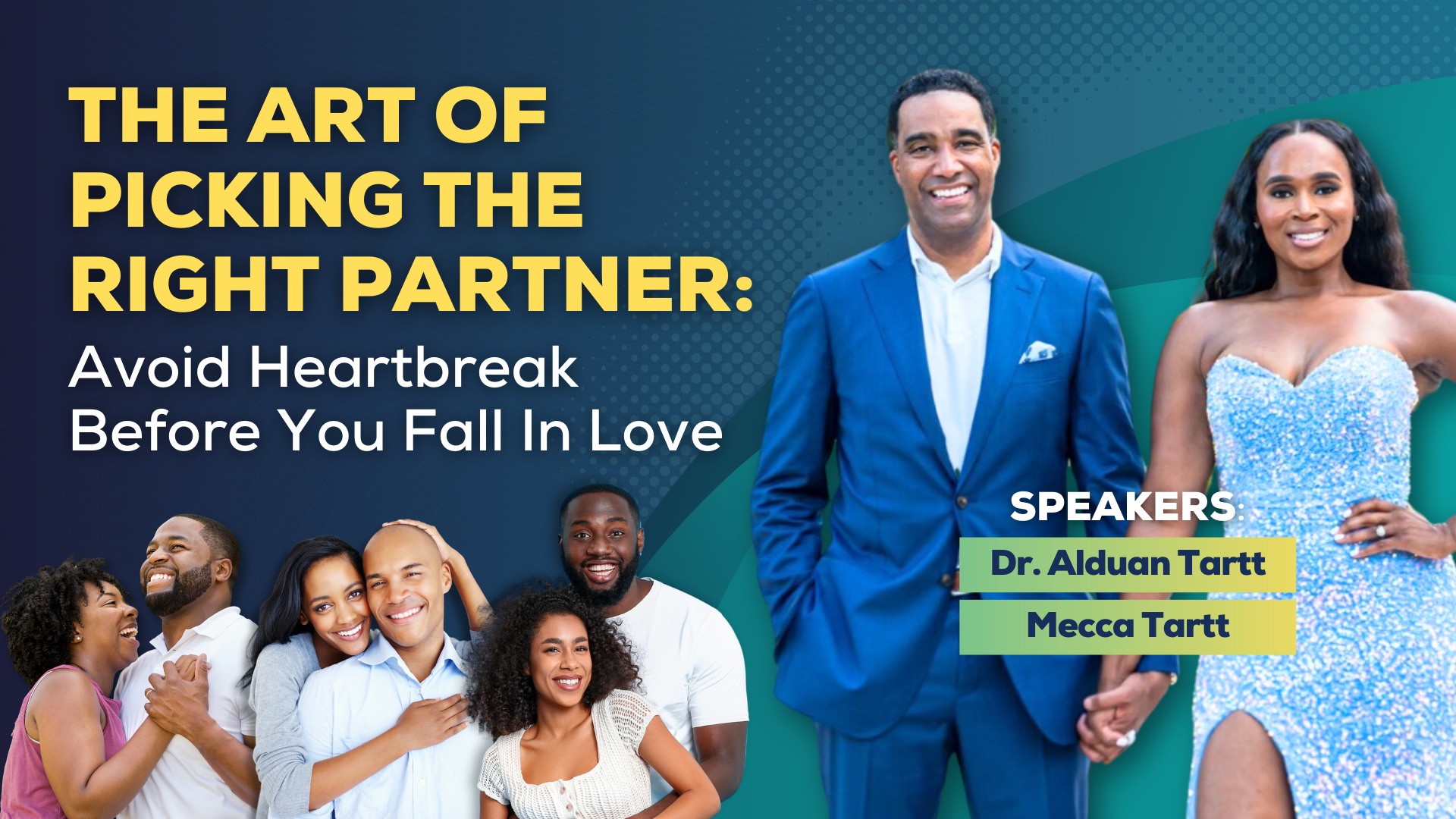
Before you read however, I want you to know that my wife and I are hosting a webinar, “The Art of Picking The Right Partner” on April 11th which focuses on picking the ideal husband before you fall in love. This will change your dating life forever. Register here.
Now let’s read on:
In the intricate dance of love and marriage, the steps we choose to follow can lead us to a harmonious union or a path of discord. The allure of superficial traits like physical attractiveness and professional success often overshadows the essential qualities that sustain a lasting relationship. This narrative underscores the profound importance of prioritizing traits such as communication, trustworthiness, and emotional intelligence in a partner, illustrated through the poignant story of Ava and Michael.
The Story of Ava and Michael
Ava, a bright and compassionate woman, was captivated by Michael’s charm, good looks, and his success in the business world. His confidence and the lifestyle he led were intoxicating, and Ava found herself drawn into a whirlwind romance, mesmerized by the surface-level attributes that Michael displayed.
In the beginning, Ava overlooked the red flags—Michael’s reluctance to communicate openly, his avoidance of commitment discussions, and his tendency to prioritize work over their relationship. She believed that love would conquer all and that Michael’s success and attractiveness were signs of a good life partner.
The Heartbreak
As time passed, the cracks began to show. Michael’s lack of emotional availability and poor communication skills became more apparent. Ava found herself in a relationship where she felt undervalued and unheard. The absence of trust and mutual respect led to frequent misunderstandings and arguments, leaving Ava feeling isolated and unloved.
The realization hit Ava hard—she had chosen a partner based on superficial qualities, neglecting the importance of the traits that foster a healthy, fulfilling relationship. The heartbreak was inevitable. Despite the love she had for Michael, Ava knew that to find true happiness, she needed to let go of a relationship that was built on a shaky foundation.
The Lesson
Ava’s journey is a powerful lesson on the importance of choosing a partner who possesses qualities essential for a healthy relationship—communication, trustworthiness, emotional intelligence, and mutual respect. It’s a reminder that while attraction and professional success are appealing, they cannot sustain a relationship in the absence of deeper, more meaningful traits.
Conclusion
Choosing the right partner for marriage is a decision that profoundly impacts our emotional well-being and the course of our lives. Ava’s story teaches us the importance of looking beyond the surface and valuing the qualities that contribute to a supportive, loving, and lasting relationship.
In the quest for love, let us prioritize the traits that matter most. Let’s seek partners who are not just successful and attractive but are also good at relationships—those who communicate openly, value trust, and show emotional intelligence. Remember, a successful marriage is built on much more than just surface-level attributes; it’s built on love, respect, and a deep connection that transcends the superficial.
Opportunity
That is why I really want you to attend this complimentary webinar, “The Art of Picking The Right Partner April 11th at 9pm EST (replay will be available if you sign up) so we can show you how to pick the ideal future husband (based on the research and the collective opinion of wives).
Imagine being able to prescreen your ideal husband versus being fooled and being heartbroken and never having to waste your time, energy or love again. It’s time for serious relationships and marriage which means no more wasting your time. See you in the webinar!