Category: Mental Well-Being

  • How To Deal With Holiday Blues: Practical Solutions for Grief, Loneliness, and Family Conflict

    How To Deal With Holiday Blues: Practical Solutions for Grief, Loneliness, and Family Conflict

    How To Deal With Holiday Blues: Practical Solutions for Grief, Loneliness, and Family Conflict

    While the holidays are meant to be a time of joy, they can also bring about feelings of sadness, loneliness, and tension. Whether you’re dealing with grief, isolation, or family conflict, knowing how to navigate these emotions can help you have a more peaceful and fulfilling season. Here’s a closer look at three common struggles during the holidays and the psychological solutions that can help.

    1. Dealing with Grief

    The holidays can be especially tough for those who are grieving the loss of a loved one. The season’s focus on family, joy, and togetherness can highlight the absence of someone important, bringing up a mix of emotions like sadness, anger, or frustration. Many people fall into the trap of inaccurate affective forecasting—thinking they’ll handle the holidays better than they actually do, only to be surprised by the depth of their grief.

    Psychological Solutions:

    • Anticipate the emotions: Instead of hoping you’ll be “fine,” it’s helpful to expect a range of emotions—sadness, anger, frustration, and even unexpected moments of joy. Knowing that grief is not linear and may come in waves helps you prepare emotionally.

    • Talk to others: Share your feelings with those around you. Discuss how you want to approach the holidays versus being alone or feeling isolated. Opening up can help you feel supported and less isolated in your grief.

    • Create new traditions: Rather than avoiding the holidays, consider creating new rituals to honor your loved one’s memory. This could include lighting a candle, visiting a meaningful place, or volunteering for a cause that was close to their heart. New traditions can bring a sense of purpose and healing during a time that might otherwise feel difficult.

    Example:If you’ve recently lost a loved one, consider talking with family or friends about how you can remember them during the holidays. Planning a special tribute—like visiting their favorite spot or sharing a holiday meal in their honor—can create meaning and bring comfort, allowing you to feel connected to their memory.

    2. Dealing with Loneliness

    The holidays are often synonymous with togetherness, but for many, they can exacerbate feelings of loneliness. Whether you’re separated from loved ones, going through a breakup, or feeling isolated, it’s easy to feel disconnected during this time of year.

    Psychological Solutions:

    • Practice an “8-minute check-in”: Reach out to someone you care about for a quick, meaningful connection. Set aside just 8 minutes to check in with each other—share how you’re feeling and ask if they’d like to connect more in the future, whether virtually or in person. This simple check-in can create a sense of connection and reduce isolation.

    • Be more prosocial: Don’t wait for people to come to you—take proactive steps to build relationships. Seek out opportunities to meet new people, such as joining a group, attending social events, or engaging in online communities. The more you actively pursue social connections, the less likely you are to feel alone.

    • Shift your perspective: Reframe loneliness as an opportunity for personal growth. Spending time alone doesn’t have to mean feeling isolated. Use this time to focus on hobbies, self-care, or personal development, and you may find that you enjoy your own company more than you expect.

    Example: If you’re feeling alone, try reaching out to a friend you haven’t spoken to in a while. An 8-minute check-in call can lead to deeper conversations and maybe even a future get-together. If you feel like your social circle is limited, look for local groups or online communities to explore new friendships and connections.

    3. Conflict with Spouse/Family

    Family dynamics can become especially stressful during the holidays. With high expectations for togetherness and perfection, conflicts—whether with your spouse or family—are more likely to arise. Tensions may flare, particularly if there are unresolved issues or toxic family members involved.

    Psychological Solutions:

    • Focus on connection and friendship: If you’re experiencing conflict with your spouse or family, prioritize rebuilding your relationship by spending more time together. Focus on rekindling friendship and deepening emotional connection. Engage in activities that allow you to bond, such as cooking together, going for walks, or sharing a favorite holiday tradition. Strengthening the foundation of your friendship can help ease tensions and make you feel more connected.

    • Set boundaries with toxic individuals: In cases of extreme conflict, it’s important to set boundaries with toxic family members or even your spouse to protect your peace of mind. Holidays should not be a time of excessive stress or emotional turmoil. If someone is repeatedly disrespectful or harmful, consider limiting your exposure to them during this time. No one deserves to experience conflict and emotional strain during the holidays, and setting boundaries is a healthy way to preserve your mental well-being.

    • Practice active listening: If conflict arises, practice empathy and active listening. Rather than reacting impulsively, take the time to understand each other’s perspective and feelings. This can help prevent arguments from escalating and create a space for more productive, respectful conversations.

    Example: If you’re feeling overwhelmed by conflict with your spouse or family, suggest setting aside time for positive connection. For instance, you might plan a fun activity together or take a short trip to focus on enjoying each other’s company. If toxic family dynamics are a major issue, don’t hesitate to limit your interaction with those who drain your energy, and communicate clearly about your need for peace during the holidays.

    Conclusion

    The holidays don’t have to be a time of stress and emotional strain. By anticipating the complex emotions tied to grief, proactively seeking connections to combat loneliness, and focusing on building relationships with loved ones, you can transform the season into one of healing and growth. If conflict arises, focusing on connection, setting healthy boundaries, and prioritizing peace of mind will help you navigate challenges with resilience and grace.
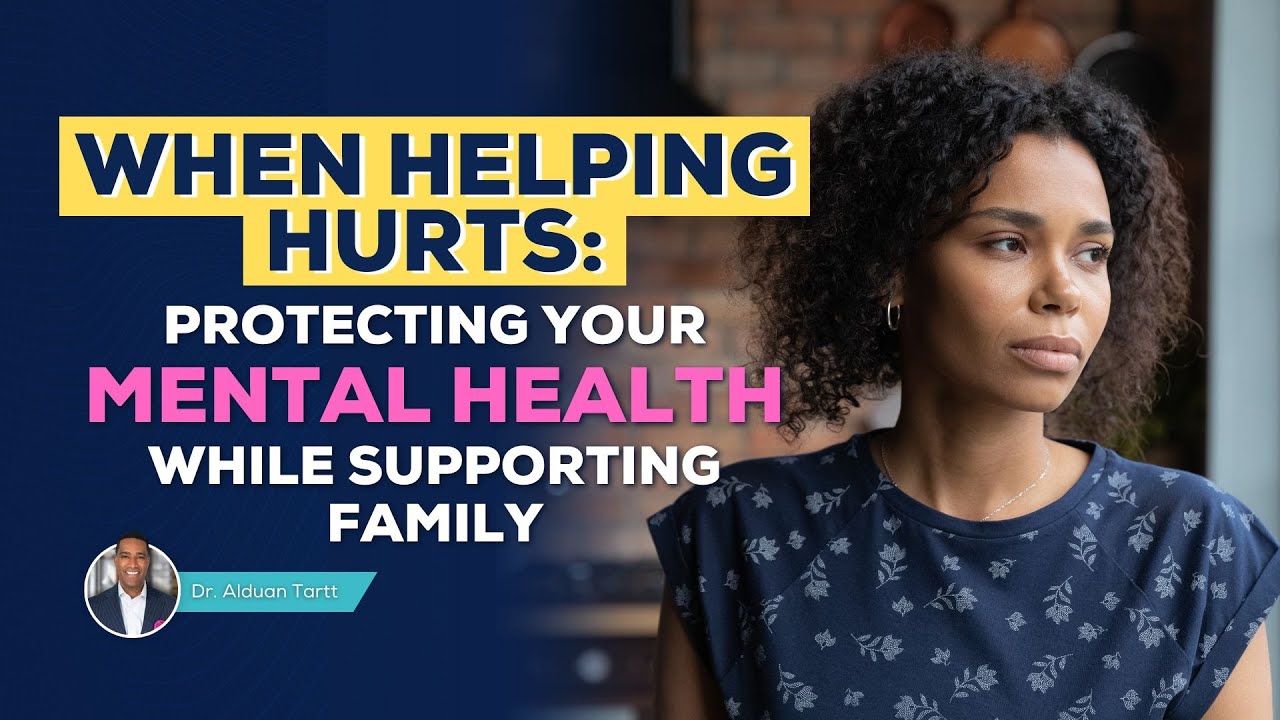
  • When Helping Hurts: Protecting Your Mental Health While Supporting Family

    When Helping Hurts: Protecting Your Mental Health While Supporting Family

    Are you or your partner struggling with mental health challenges, and it’s starting to take a toll on your relationship? Don’t worry—you’re not alone! Mental health struggles are more common than we realize, but the good news is that navigating these challenges together can actually strengthen your relationship. In this blog, we’ll explore three life-changing strategies, backed by scripture and research, to support your partner while maintaining your own well-being.

    1. Educate Yourself and Communicate Openly

    Understanding your partner’s mental health condition is a powerful first step toward providing the right kind of support. Research shows that spouses who actively educate themselves about their partner’s mental health diagnosis are better equipped to offer empathy and more effective assistance .

    Take time to learn about the symptoms, triggers, and treatment options for your partner’s specific mental health issue. Have open, judgment-free conversations with your spouse about their experiences, needs, and boundaries. Ask them how you can best support them while also making room to share your own feelings and concerns. This two-way communication builds trust and deepens your connection as a couple.

    Scripture to Remember:

    “Let each of you look not only to his own interests but also to the interests of others.” — Philippians 2:4.

    This verse encourages us to find balance—loving and supporting others while also tending to our own emotional and spiritual well-being.

    2. Encourage Professional Treatment While Maintaining Boundaries

    As much as you love your partner, it’s essential to remember that you are not their therapist. Encouraging professional help can be a major step forward in their healing journey. Studies show that spousal encouragement is often a crucial factor in people seeking treatment . Gently nudge your partner to consider speaking to a licensed therapist or psychiatrist, and offer to accompany them for support if needed.

    However, it’s important to set boundaries so that you don’t become emotionally overextended. While you can be supportive, maintaining your own space ensures that you don’t lose yourself in the process. Your spouse’s recovery is ultimately their responsibility.

    Scripture to Remember:

    “The heart of the discerning acquires knowledge, for the ears of the wise seek it out.” — Proverbs 18:15

    This reminds us of the importance of seeking knowledge (in this case, professional help) and not carrying the burden alone.

    3. Prioritize Self-Care and Seek Support

    Caring for a spouse who is struggling with mental illness can be emotionally taxing. In fact, research shows that partners of those with mental health conditions are at greater risk for stress, burnout, and even health issues . This makes self-care more important than ever.

    Make time for your own interests, hobbies, and friendships outside of your caregiving role. It’s okay to take a break and focus on your own mental health. Joining a support group for partners of individuals with mental illness can also help you connect with others who understand your situation .

    Lastly, don’t hesitate to seek therapy or counseling for yourself if necessary. Remember, you can’t pour from an empty cup.

    Scripture to Remember:

    “Come to me, all who labor and are heavy laden, and I will give you rest.” — Matthew 11:28

    God invites us to find rest in Him, especially when we’re feeling overwhelmed. Leaning on your faith during this time can offer a source of strength and peace.

    Navigating mental health challenges together is not easy, but by educating yourself, communicating openly, encouraging professional treatment, and prioritizing self-care, you and your partner can find a path forward. These strategies can strengthen your relationship, allowing you to walk alongside each other with compassion and grace.

    Remember, you are not alone in this journey. Many couples have walked this path and come out stronger on the other side, and with the right tools, so can you.

    Citations:

    [1] Living with a Spouse with Mental Illness

    [2] Spousal Encouragement in Mental Health Treatment

    [3] Supporting a Spouse with Mental Illness

  • Ready to Crush Self-Doubt and Unlock the Wealth and Relationships You Deserve?

    Self-doubt. It’s that nagging voice in the back of your mind that whispers, “You’re not ready,” “You’re not good enough,” or “Maybe later.” We all experience it at some point, but for many, it’s a constant companion that holds them back from reaching their true potential.

    But let’s get real for a second—how much is self-doubt actually costing you?

    If you’re like most people, self-doubt isn’t just an occasional nuisance; it’s a major obstacle that’s keeping you from living the life you deserve. It’s not just stealing your peace of mind; it’s robbing you of real, tangible success—especially when it comes to money, career advancement, and relationships.

    Join the Q & A For Curing Your Self-Doubt To Seize More Wealth, Success, and New Opportunities here (August 29th at 9pm EST)

    The Hidden Costs of Self-Doubt

    How many opportunities have slipped through your fingers because you didn’t feel ready? How many times have you hesitated to ask for that raise, apply for that promotion, or start the business you’ve always dreamed of? Every time you let self-doubt win, it costs you cold, hard cash. It keeps you stuck in jobs that don’t pay you what you’re worth and prevents you from taking the bold steps needed to increase your financial success.

    But the cost of self-doubt doesn’t stop with your wallet.

    Self-doubt also sabotages your relationships. Whether it’s finding a fulfilling partnership or even taking the step toward marriage (a healthy one), self-doubt makes you question your worthiness of love and connection. It can hold you back from pursuing meaningful relationships or keep you from fully engaging in the ones you already have.

    The Good News: You Can Change This

    The great news is that self-doubt doesn’t have to control your life. It doesn’t have to keep you stuck in a cycle of missed opportunities and unfulfilled potential. There’s a way out, and it starts with taking action.

    I’m excited to offer a complimentary live Q&A session where I’ll be diving deep into how to cure self-doubt, anxiety, and overthinking—all tailored to your personal challenges. This is your chance to get one-on-one advice on identifying and erasing the self-limiting beliefs that are holding you back from making the money you deserve and creating the strong, meaningful relationships you’ve always wanted.

    Imagine the Possibilities

    Imagine what your bank account could look like if self-doubt wasn’t in the way. Imagine walking into any negotiation or opportunity with the confidence to demand what you’re worth—and actually getting it. Imagine building deep, fulfilling relationships and even the possibility of marriage (a healthy one), all because you finally believe in your worth.

    This isn’t just another Q&A—it’s your first step toward a complete transformation. After we tackle your most pressing issues, I’ll also be sharing an invitation to join my Instant Confidence Boost masterclass, where we’ll take this momentum and turn it into a wealth-building and relationship-transforming reality in just two hours.

    Ready to Take the First Step?

    If you’re tired of letting self-doubt hold you back and are ready to unlock the wealth, success, and love you deserve, I invite you to join the complimentary live Q&A session. This could be the moment you look back on and say, “That’s when everything changed—and my financial future and relationships skyrocketed.”

    Don’t let self-doubt steal another opportunity, another relationship, or another dollar from you. Take action now and start your journey to a better, more fulfilling life.

    Click here to sign up for the complimentary live Q&A session and start your journey.

  • Emotionally Insecure: How Men’s Insecurities Sabotage Relationships (3 Ways To Overcome Them)

    Emotionally Insecure: How Men’s Insecurities Sabotage Relationships (3 Ways To Overcome Them)

    Introduction Emotional insecurity in men is a silent saboteur, undermining relationships and eroding the foundations of trust and intimacy. These insecurities—often rooted in deep-seated fears of inadequacy—manifest in behaviors like jealousy, control, and emotional withdrawal. Understanding and addressing these issues is crucial for healthier, more fulfilling relationships.

    What is Emotional Insecurity? Emotional insecurity is more than occasional self-doubt; it’s a chronic fear of not being good enough, particularly in the context of relationships. This insecurity drives destructive behaviors that push partners away, creating a vicious cycle where the fear of losing a relationship leads to actions that actually increase the likelihood of that loss.

    The Impact on Relationships Insecure men may constantly seek reassurance, misinterpret innocent actions as threats, or become overly dependent on their partners for validation. These behaviors can lead to a toxic dynamic where trust is eroded, communication breaks down, and emotional intimacy is lost. Over time, the relationship suffers as both partners become trapped in a cycle of doubt and defensiveness.

    Why Emotional Insecurity Happens Several factors contribute to emotional insecurity in men:

    • Lack of Positive Role Models: Many men grow up without strong, emotionally mature role models, leaving them without the tools to manage their feelings effectively.

    • Societal Pressures: Society often teaches men to suppress their emotions, equating vulnerability with weakness. This leads to internal conflicts and insecurity.

    • Past Trauma: Early experiences of rejection or failure can create lasting fears of abandonment and inadequacy.

    • Unrealistic Expectations: Constant comparisons and the pressure to meet societal standards of success and strength exacerbate feelings of inadequacy.

    Overcoming Emotional Insecurity The good news is that emotional insecurity can be overcome with the right approach:

    • Change the Narrative: Society must shift its perspective on masculinity, encouraging men to express their emotions and view vulnerability as a strength.

    • Therapy and Counseling: Professional help can address the root causes of insecurity, build emotional resilience, and improve communication skills.

    • Build Self-Worth: Men can boost their self-esteem by setting personal goals, engaging in fulfilling activities, and practicing self-compassion, reducing reliance on external validation.

    • Open Communication: Creating a supportive environment where men feel safe expressing their insecurities is key to overcoming these challenges and building stronger relationships.

    Conclusion Emotional insecurity doesn’t have to be a relationship killer. By understanding its roots and actively working to overcome it, men can cultivate the emotional security needed for healthy, lasting relationships. Whether through societal change, therapy, personal development, or open communication, the path to emotional resilience is within reach—and it can transform not only relationships but lives.

    Resource Alert…

    Is Self-Doubt Causing You To Leave Money, Better Relationships and Success on the Table?

    Click this link to replace self-doubt with unshakeable confidence to improve your wealth, success and unlock an overall better life for yourself here and/or click the photo below.

  • Five Steps To Overcoming Social Anxiety

    Five Steps To Overcoming Social Anxiety

    Overcoming Social Anxiety: Transform Panic into Peace with CBT

    Have you ever felt your heart race, your palms sweat, and your mind spiral out of control just by thinking about talking to new people? Social anxiety can be crippling, and you’re not alone—over 15 million Americans suffer from social anxiety disorder​ (Sleepopolis)​.

    But what if I told you there’s a proven method to regain control and find peace? Cognitive Behavioral Therapy (CBT) can help you transform panic into peace. Let’s explore how CBT can manage social anxiety and share an inspiring story of overcoming these fears.

    Understanding Social Anxiety

    Social anxiety is the intense fear of being judged or rejected in social situations. It can make everyday interactions feel daunting, leading to avoidance of social settings and a sense of isolation. However, CBT offers practical strategies to challenge and change the negative thought patterns that fuel this anxiety.

    Jake’s Journey: From Fear to Friendship

    Meet Jake, a car enthusiast who knows a lot about automobiles. Despite his passion, Jake was always afraid that people wouldn’t want to talk to him or that they would reject him. He avoided car meets and social gatherings, even though he longed to be part of the community.

    Five CBT Tips to Overcome Social Anxiety

    Jake decided to try CBT and found it incredibly helpful. Here are five tips he used that transformed his panic into peace and helped him become more social:

    1. Identify Negative Thoughts: Jake started by recognizing the thoughts that triggered his anxiety. For him, it was, “No one will want to talk to me because they’ll think I’m weird or boring.” Write down your own negative thoughts as soon as they arise.

    2. Challenge Those Thoughts: With the help of his therapist, Jake learned to question the validity of his thoughts. He asked himself, “Is there evidence to support this?” He realized that at car meets, people are there to share their love for cars and are likely to appreciate his knowledge and passion.

    3. Replace with Balanced Thoughts: Jake then replaced his negative thought with a more balanced one: “People at car meets share my interest and are likely to enjoy talking about cars. I have valuable knowledge to share.” Practice this new thought repeatedly, especially in situations that trigger anxiety.

    4. Gradual Exposure: Instead of avoiding car meets, Jake gradually exposed himself to these social situations. He started by attending small gatherings and worked his way up to larger events, using his new balanced thoughts to guide him through.

    5. Focus on Common Interests: Jake also focused on the shared interest in cars as a conversation starter. He prepared a few topics and questions about cars to help initiate conversations, which made him feel more confident and relaxed.

    By following these steps, Jake’s social anxiety significantly reduced. He could now attend car meets with confidence, knowing he had the tools to manage his stress and that his knowledge about cars was a great asset.

    Finding Peace in Faith

    As we navigate our social fears, let’s remember Jake’s story and these tips. Challenge those negative thoughts, gradually face your fears, and focus on common interests. And remember, as it says in Philippians 4:6-7, “Do not be anxious about anything, but in every situation, by prayer and petition, with thanksgiving, present your requests to God. And the peace of God, which transcends all understanding, will guard your hearts and your minds in Christ Jesus.”

    Conclusion

    Social anxiety doesn’t have to hold you back from forming meaningful connections and enjoying social interactions. By using CBT techniques and drawing strength from your faith, you can transform your panic into peace. Start today, and take the first step towards a more confident and connected you.

    For more tips and personal stories on overcoming anxiety and living a balanced life, stay tuned to our blog. And remember, you’re not alone in this journey. There is help, hope, and a community ready to welcome you. For speaking engagements or media request, email me at drtartt@drtartt.com or call 404-377-4757.

  • Dr. Tartt Speaks at Flourish Conference Helping Believers Improve Mental Health, Stress Management & Faith

    Dr. Tartt Speaks at Flourish Conference Helping Believers Improve Mental Health, Stress Management & Faith

    Discover the Power of Renewed Minds at The Flourish Conference

    Friends, I am excited to announce that I will be speaking at The Flourish Conference at The Fort Bend Church with Pastor Byron Stevenson from July 31 to August 2 in Sugarland, TX. This event is a unique opportunity to experience a powerful blend of mental health and ministry, designed to help you think, feel, and behave in ways that will increase your hope, faith, and ability to successfully cope with stress and succeed in this world.

    Why Mental Health Tools are Essential for Believers

    As believers, our faith is the foundation of our lives. However, we also live in a world filled with challenges and stressors that can impact our mental, relational, and spiritual well-being. It is essential to equip ourselves with the tools to navigate these challenges effectively. Mental health tools are not only compatible with our faith but are also necessary to fully live out God’s purpose for our lives.

    Biblical Foundation for Mental Health

    The Bible provides a strong foundation for understanding the importance of mental health. Romans 12:2 says, “Do not conform to the pattern of this world, but be transformed by the renewing of your mind.” This transformation is crucial for believers, as it enables us to break free from the world’s pressures and align our thoughts with God’s truth.

    God created us as holistic beings, with minds, bodies, and spirits intricately connected. When one part suffers, it affects the others. Therefore, maintaining mental health is not just about emotional well-being; it is about honoring God with our whole selves. Proverbs 4:23 reminds us, “Above all else, guard your heart, for everything you do flows from it.” By taking care of our mental health, we are better able to guard our hearts and live out the fullness of God’s plans for us.

    Benefits of Mental Health Tools for Believers

    1. Enhanced Coping Skills: Stress is a part of life, but with the right tools, we can manage it effectively. Philippians 4:6-7 encourages us, “Do not be anxious about anything, but in every situation, by prayer and petition, with thanksgiving, present your requests to God. And the peace of God, which transcends all understanding, will guard your hearts and your minds in Christ Jesus.” Combining prayer with practical mental health strategies can help us experience this peace more fully.

    2. Improved Relationships: Healthy relationships are vital for a thriving life. Ephesians 4:2-3 urges us, “Be completely humble and gentle; be patient, bearing with one another in love. Make every effort to keep the unity of the Spirit through the bond of peace.” By understanding and managing our emotions, we can better practice patience, humility, and love in our interactions with others.

    3. Spiritual Growth: Our spiritual journey is deeply intertwined with our mental and emotional states. When we address our mental health, we remove barriers that hinder our spiritual growth. Psalm 139:23-24 says, “Search me, God, and know my heart; test me and know my anxious thoughts. See if there is any offensive way in me, and lead me in the way everlasting.” Mental health tools can help us identify and address the anxieties and issues that keep us from fully experiencing God’s leading.

    [

    Join Us at The Flourish Conference

    At The Flourish Conference, you will learn how to integrate mental health principles with your faith to enhance your overall well-being. Register now and take the first step toward a transformed life. Share this opportunity with your friends in Texas, or make plans to join us from wherever you are.

    Register here

    A flourishing believer is powerful beyond measure. Renew your mind, heal your heart, and thrive in your soul. Let’s embark on this journey together, rooted in God’s Word and empowered by His Spirit.

    Romans 12:2 – “Do not conform to the pattern of this world, but be transformed by the renewing of your mind.” Join us at The Flourish Conference, and let’s apply this transformative principle to our lives!

    For booking inquires for Dr. Tartt, email drtartt@drtartt.com or visit this link.

  • Uplifting Kings: Empowering Your Confident Man to Wealth and Success

    Uplifting Kings: Empowering Your Confident Man to Wealth and Success

    Uplifting Kings: Empowering Your Confident Man to Wealth and Success

    Hello, everyone. As a psychologist and minister, I’ve had the privilege of working with many couples and individuals striving to build stronger, more fulfilling relationships. Today, I want to share some insights specifically for women and wives who want to empower the men in their lives to become confident, successful, and truly powerful. Whether you’re married or single, these tips will help you support your partner in a way that fosters growth, strength, and mutual respect.

    Understanding and Overcoming Pride

    One of the first steps in empowering your man is recognizing the fine line between healthy pride and destructive pride. When he faces setbacks, like a job loss, approach the situation with empathy. Practical Dialogue: “I believe in you and your abilities. This setback doesn’t define your worth. I’m here to support you in finding new opportunities.” This shows understanding and support without diminishing his sense of pride. Scripture: “Pride goes before destruction, a haughty spirit before a fall.” (Proverbs 16:18)

    Supporting Without Enabling

    Encouraging independence while offering support is crucial. For instance, if he’s struggling with a project, you might say,

    Practical Dialogue: “I know you have the skills to handle this. If you need a sounding board, I’m here to listen, but I trust your judgment.” This balance helps him feel capable and supported without feeling dependent.

    Scripture: “Carry each other’s burdens, and in this way you will fulfill the law of Christ.” (Galatians 6:2)

    Using Softness to Influence

    Softness and kindness can be incredibly influential. If he’s facing self-doubt about a major decision, approach him gently.

    Practical Dialogue: “You have a great track record of making wise choices. I trust your instincts, and I’m confident you’ll make the best decision.” A gentle tone can ease his anxiety and reinforce his confidence.

    Scripture: “A gentle answer turns away wrath, but a harsh word stirs up anger.” (Proverbs 15:1)

    Offering Constructive Advice

    When offering advice, it’s essential to be thoughtful and considerate. If he’s hesitant to ask for advice on a personal issue, reassure him by saying, Practical Dialogue: “I know it can be tough to reach out for advice, but your strength includes knowing when to seek insight. I’m here if you need to talk.” This approach respects his autonomy and encourages open communication. Scripture: “The way of fools seems right to them, but the wise listen to advice.” (Proverbs 12:15)

    Encouragement and Empowerment

    Everyone needs encouragement, especially during tough times. If he feels undervalued at work, remind him,

    Practical Dialogue: “Your dedication and hard work are truly remarkable. Even if others don’t see it now, your efforts will pay off. I’m proud of you.” Genuine appreciation can uplift and motivate him.

    Scripture: “Therefore encourage one another and build each other up, just as in fact you are doing.” (1 Thessalonians 5:11)

    Promoting Humility and Gratitude

    Fostering humility and gratitude can strengthen your relationship. When he’s handling success, acknowledge it with gratitude.

    Practical Dialogue: “You’ve achieved so much, and I’m grateful for the hard work you’ve put in. Your humility makes your success even more admirable.” This promotes a balanced perspective on success.

    Scripture: “Do nothing out of selfish ambition or vain conceit. Rather, in humility value others above yourselves.” (Philippians 2:3)

    Balancing Support and Challenge

    Encourage him to step out of his comfort zone. If he’s hesitant about a new challenge, say,

    Practical Dialogue: “I know this new opportunity seems daunting, but I have faith in your abilities. I’ll be here to support you every step of the way.” This shows you believe in his potential and are there to support his growth.

    Scripture: “As iron sharpens iron, so one person sharpens another.” (Proverbs 27:17)

    Building Trust and Open Communication

    Trust and open communication are the foundations of a strong relationship. If he’s struggling with feelings of isolation, assure him,

    Practical Dialogue: “You can always share your thoughts with me. I’m here to listen without judgment, and we can navigate through this together.” This creates a safe space for honesty and connection.

    Scripture: “The heart of the righteous weighs its answers, but the mouth of the wicked gushes evil.” (Proverbs 15:28)

    Modeling Integrity and Strong Values

    Lead by example in your actions and values. If he’s facing ethical dilemmas at work, remind him,

    Practical Dialogue: “Your integrity is one of the things I admire most about you. Staying true to your values will always lead you to the right path.” Consistent behavior from you reinforces the importance of integrity.

    Scripture: “Whoever walks in integrity walks securely, but whoever takes crooked paths will be found out.” (Proverbs 10:9)

    Spiritual Support and Prayer

    Supporting his spiritual growth is vital. If he’s feeling spiritually disconnected, suggest,

    Practical Dialogue: “Let’s pray together and seek guidance. Your faith is strong, and together we can find the spiritual strength we need.” Sharing your faith journey can deepen your connection and provide mutual support.

    Scripture: “Pray continually, give thanks in all circumstances; for this is God’s will for you in Christ Jesus.” (1 Thessalonians 5:17-18)

    Incorporating these tips into your relationship can help you empower your man to become confident, successful, and truly powerful. Remember, the goal is to uplift and support each other, creating a partnership that thrives on mutual respect and love. As you walk this journey together, you’ll find that empowering your man not only strengthens him but also enriches your relationship in profound ways.

    I hope these insights help you build a stronger, more empowering relationship. If you have any questions or need further guidance, feel free to reach out. Let’s continue to uplift our kings and build relationships that stand the test of time.

    For speaking inquires please email me drtartt@drtartt.com or call 404-377-4757.

  • Men’s Mental Health: Depression, Loneliness & How To Effectively Market Counseling To Men

    Men’s Mental Health: Depression, Loneliness & How To Effectively Market Counseling To Men

    Understanding the Issue

    Loneliness and depression among men are significant yet often overlooked issues. Societal expectations and traditional masculine norms frequently discourage men from expressing their emotions or seeking help, leading to emotional isolation and mental health struggles. Data from recent studies highlights the severity of these issues:

    • According to a 2021 study by the Survey Center on American Life, 15% of men report having no close friends, up from 3% in 1990. Additionally, 24% of men report having only one or two close friends​ (American Institute of Stress)​.

    • Research from the American Psychological Association indicates that men are less likely to seek mental health support compared to women, leading to higher rates of undiagnosed and untreated mental health conditions​​.

    • The National Institute of Mental Health reports that approximately 6 million men in the United States suffer from depression each year​​.

    • Loneliness and depression rates are notably higher among African-American men, exacerbated by systemic issues such as racial discrimination, economic disparities, and limited access to mental health care​ (American Institute of Stress)​.

    Breaking Down Stigmas

    One of the primary barriers to men seeking help for mental health issues is the stigma attached to it. Traditional notions of masculinity often emphasize stoicism and self-reliance, discouraging men from expressing vulnerability or admitting they need support. To change this, it’s essential to challenge and change these harmful stereotypes. Promoting the idea that seeking help is a sign of strength rather than weakness can make a significant difference.

    Creative Marketing Strategies

    Marketing mental health services to men requires a thoughtful and creative approach. Here are some strategies:

    • Targeted Social Media Campaigns: Use social media platforms to share stories, testimonials, and educational content that resonates with men. Highlighting successful men who have sought help can normalize the experience and encourage others to do the same.

    • Engaging Community Events: Host events such as workshops, seminars, or sports activities that promote mental health awareness. These can serve as entry points for men to learn about and access mental health services in a non-threatening environment.

    • Collaborations with Influencers: Partner with male influencers and public figures who can advocate for mental health awareness. Their endorsement can lend credibility and reach a wider audience.

    Positive Messaging

    Using positive and empowering messages is crucial when promoting mental health services to men. Focus on the benefits of seeking help, such as improved relationships, better work performance, and overall well-being. Reinforce the message that taking care of mental health is just as important as physical health.

    Successful Campaign Examples

    Several campaigns have effectively reached men and can serve as inspiration:

    • Movember: This campaign encourages men to grow mustaches during November to raise awareness about men’s health issues, including mental health. It combines a fun activity with serious messaging, making it both engaging and impactful.

    • Man Therapy: This campaign uses humor and a fictional character, Dr. Rich Mahogany, to address men’s mental health issues. It provides resources in a relatable and non-intimidating way.

    • Churches Men’s Ministry: More churches are combining mental health and wellness into retreats, fishing excursions, sporting events, lockeroom and activity based events to cater to how men desire to meet vs. the traditional therapy office.

    Encouraging Men to Seek Counseling

    It’s essential to encourage men to seek counseling for their mental well-being without feeling stigmatized. Counseling provides a safe space for men to explore their feelings, develop coping strategies, and improve their overall mental health. Emphasize that seeking help is a proactive step toward a healthier and more fulfilling life.

    Call to Action

    For churches, organizations, and businesses looking to support men’s mental health, consider organizing workshops and seminars. These events can provide valuable information and resources to help men understand and address their mental health needs.

    If you’re interested in hosting a workshop on men’s mental health, please email me at drtartt@drtartt.com. Together, we can break down barriers and promote a healthier, more supportive environment for all men.

    Conclusion

    Addressing loneliness and depression in men requires a multifaceted approach. By breaking down stigmas, using creative marketing strategies, and promoting positive messaging, we can encourage more men to seek the help they need. Let’s work together to create a culture where men feel empowered to prioritize their mental health.

  • Empowering Men: Boosting Emotional Intelligence for Stronger Relationships

    Empowering Men: Boosting Emotional Intelligence for Stronger Relationships

    It’s Men’s Mental Health Awareness Month, and it’s time we address a crucial aspect of our well-being—emotional intelligence. As men, we often have a lot of work to do in this area. While women typically excel at mastering their emotions and caring for themselves and their loved ones, we too are called to excel in our relationships.

    God has called men to build strong, meaningful connections, and to do that, we need to improve our emotional intelligence. Let’s delve into what emotional intelligence is and explore how we can enhance it to better ourselves and our relationships moving forward.

    Join me as we embark on this journey towards greater self-awareness, self-knowledge, and self-change, and become the best version of ourselves for those we care about.

    Emotional intelligence is a critical skill that influences every aspect of our lives, from our self-esteem to our ability to form meaningful relationships. For men striving to improve their emotional intelligence, focusing on the three S’s—Self-Awareness, Self-Knowledge, and Self-Change—can be transformative. These components work together to help you understand and manage your emotions, leading to greater self-worth and success in both personal and romantic relationships.

    1. Self-Awareness

    Definition: Self-awareness is the ability to recognize and understand your own emotions, thoughts, and behaviors. It involves being conscious of your emotional responses in different situations and understanding how they affect you and those around you.

    Application:

    • Reflect on Your Emotions: Take time each day to reflect on your emotional experiences. Ask yourself what you felt, why you felt it, and how it influenced your actions. This can be done through journaling or simply taking a few moments of quiet contemplation.

    • Identify Triggers: Notice what situations or interactions tend to trigger strong emotional responses. Understanding these triggers can help you anticipate and manage your reactions more effectively.

    • Seek Feedback: Ask trusted friends or family members for feedback on how they perceive your emotional responses. Sometimes, others can see patterns that you might miss.

    Example: If you find yourself getting irritated during discussions with your partner, reflect on what specifically triggers this irritation. Is it a particular topic, a tone of voice, or a feeling of being misunderstood? Recognizing these triggers allows you to address them calmly and constructively, improving communication and reducing conflict.

    2. Self-Knowledge

    Definition: Self-knowledge goes beyond self-awareness by involving a deeper understanding of your values, beliefs, strengths, and weaknesses. It’s about knowing who you are at your core and what drives your actions and decisions.

    Application:

    • Clarify Your Values: Spend time thinking about what values are most important to you. These might include honesty, loyalty, or compassion. Understanding your core values helps guide your behavior and decisions.

    • Strengths and Weaknesses Assessment: Take an honest inventory of your strengths and weaknesses. Acknowledge your skills and talents, as well as areas where you need improvement.

    • Life Experiences: Reflect on past experiences that have shaped who you are today. Consider how these experiences have influenced your values, beliefs, and behaviors.

    Example: Suppose you value honesty highly but find yourself occasionally bending the truth to avoid conflict. Recognizing this discrepancy allows you to work on aligning your actions with your values, fostering a stronger sense of integrity and self-respect.

    3. Self-Change

    Definition: Self-change is the ability to take intentional steps to improve or modify your behavior, thoughts, and emotions. It involves setting goals for personal growth and working actively towards achieving them.

    Application:

    • Set Clear Goals: Identify specific areas where you want to improve. Whether it’s managing stress better, being more empathetic, or improving communication skills, set clear, achievable goals.

    • Develop Action Plans: Create a step-by-step plan to achieve your goals. Break down larger goals into smaller, manageable tasks, and set timelines for completion.

    • Seek Support: Don’t be afraid to seek help from friends, mentors, or professionals. Sometimes, having support and accountability can make a significant difference in your journey of self-improvement.

    Example:

    Suppose you want to become a better listener to improve your relationship with your partner. Here’s how you can apply the three S’s—Self-Awareness, Self-Knowledge, and Self-Change—to achieve this goal:

    Self-Awareness

    Start by reflecting on your current listening habits. Ask yourself:

    • Do I often interrupt my partner?

    • Do I get distracted easily during conversations?

    • How do my emotions influence my ability to listen attentively?

    By becoming aware of these behaviors and their impact on your partner, you can identify specific areas that need improvement.

    Self-Knowledge

    Delve deeper into understanding why you struggle with listening:

    • What are my values regarding communication and relationships?

    • What past experiences might be influencing my listening habits?

    • What strengths do I have that can help me become a better listener?

    For instance, you might realize that you value respect and empathy, but your tendency to interrupt stems from a habit formed in a competitive work environment. Recognizing these aspects can help you align your actions with your values and leverage your strengths, such as your genuine care for your partner, to improve your listening skills.

    Self-Change

    Set specific, actionable goals to enhance your listening:

    • Goal: Practice active listening by giving my full attention during conversations.

    • Plan: Turn off distractions (like the TV or phone) when talking to my partner. Use techniques like nodding, maintaining eye contact, and summarizing what my partner says to ensure understanding.

    • Support: Share your goal with your partner and ask for feedback. Consider seeking advice or resources on effective communication techniques.

    By taking these steps, you’re actively working on becoming a better listener. This intentional effort will likely lead to improved communication, greater mutual understanding, and a stronger, more fulfilling relationship.

    Conclusion

    Enhancing your emotional intelligence through self-awareness, self-knowledge, and self-change can significantly improve your self-esteem and the quality of your relationships. By understanding and managing your emotions, aligning your actions with your values, and actively working towards personal growth, you can build a stronger, more confident sense of self. This journey not only benefits you but also positively impacts your personal and romantic relationships, creating a more fulfilling and harmonious life.

    Kings, it’s time to take charge of your emotional intelligence. Start today by reflecting deeply on your emotions, understanding your core values, and setting clear, actionable goals for personal growth. This isn’t just about self-improvement; it’s about transforming into the best version of yourself.

    The journey to enhancing your emotional intelligence is ongoing, but with every step you take, you move closer to personal greatness. You build a stronger foundation of self-worth and cultivate deeper, more meaningful relationships. Embrace this challenge with determination and courage, knowing that the reward is a richer, more fulfilling life for you and those you love.

    Start now. Reflect. Understand. Grow. Your path to greatness and profound connections begins today.

  • Men, Masculinity and Mental Health- Embracing A Better Model of Manhood

    Men, Masculinity and Mental Health- Embracing A Better Model of Manhood

    Men’s mental health has long been overshadowed by traditional notions of masculinity, which often emphasize stoicism, self-reliance, and competitiveness. However, recent research and shifting cultural narratives are highlighting the importance of redefining manhood to promote better mental well-being. This blog explores various aspects of men’s mental health, from emotional intelligence to the importance of self-care and support systems.

    Redefining Manhood

    The traditional definition of manhood often discourages men from expressing vulnerability or seeking help. This stoic approach can lead to significant mental health issues, including stress, anxiety, and depression. Redefining manhood involves embracing a broader spectrum of masculine traits that include empathy, emotional expression, and cooperation. By doing so, men can foster healthier relationships and a more balanced life.

    Emotional Intelligence for Men

    Emotional intelligence (EI) is the ability to understand and manage one’s emotions and recognize the emotions of others. For men, developing EI can be transformative. It allows them to navigate social situations more effectively, handle conflicts constructively, and build stronger interpersonal relationships. High EI is linked to better mental health and overall life satisfaction.

    Mental Health Awareness

    Increasing awareness about men’s mental health is crucial. Mental health awareness campaigns and initiatives help break down the stigma associated with mental health issues, encouraging men to seek help and talk openly about their struggles. Awareness leads to early intervention, which is key to preventing severe mental health conditions.

    Men’s Self-Care

    Self-care is an essential aspect of mental health. For men, this means prioritizing activities that promote physical, emotional, and mental well-being. Regular exercise, healthy eating, adequate sleep, and engaging in hobbies can significantly improve mental health. Self-care also involves setting boundaries and taking time for relaxation and stress management.

    Overcoming Stoicism

    While stoicism can sometimes be seen as a virtue, excessive stoicism can be harmful. Men who suppress their emotions may experience increased stress and a sense of isolation. Overcoming stoicism involves recognizing that expressing emotions is not a sign of weakness but a path to better mental health. Encouraging open communication and emotional expression can lead to healthier coping mechanisms.

    Embracing Vulnerability

    Vulnerability is often perceived as a weakness, but it is actually a strength. Embracing vulnerability allows men to connect more deeply with others and build supportive relationships. It fosters authenticity and openness, which are essential for mental health. By sharing their feelings and experiences, men can receive the support they need and help others feel less alone.

    Support for Men

    Support systems are vital for mental health. Men often feel pressured to handle their problems alone, but reaching out for support can make a significant difference. Whether it’s through friends, family, or professional counselors, having a support network can help men navigate challenges more effectively. Support groups specifically for men can provide a safe space to share experiences and find solidarity.

    Mental Health Tips

    Here are some practical tips for men to maintain good mental health:

    • Practice mindfulness and meditation to manage stress.

    • Engage in physical activities regularly.

    • Maintain a balanced diet and get enough sleep.

    • Cultivate hobbies and interests outside of work.

    • Seek professional help when needed and don’t hesitate to talk about your feelings.

    Breaking Masculinity Stereotypes

    Breaking free from rigid masculinity stereotypes is essential for mental health. Traditional stereotypes often limit men’s emotional expression and discourage seeking help. By challenging these norms, men can redefine what it means to be masculine in a way that promotes emotional well-being and personal growth.

    Healthy Masculinity

    Healthy masculinity embraces a range of traits beyond the traditional macho image. It includes qualities like empathy, kindness, and collaboration. Men who adopt a healthy view of masculinity can build more fulfilling relationships and contribute positively to their communities.

    Men’s Emotional Health

    Emotional health is a critical component of overall well-being. Men who prioritize their emotional health by recognizing and addressing their feelings can prevent many mental health issues. Emotional health involves understanding and managing emotions, seeking help when needed, and maintaining a positive outlook on life.

    Transformation Stories

    Stories of transformation can be powerful motivators. Hearing from men who have successfully navigated their mental health challenges can provide hope and inspiration to others. These stories often highlight the importance of seeking help, embracing vulnerability, and redefining manhood.

    Men and Therapy

    Therapy can be a valuable tool for men struggling with mental health issues. It provides a safe space to explore emotions, develop coping strategies, and work through challenges. Men who engage in therapy often report significant improvements in their mental health and overall quality of life.

    Mental Wellness for Men

    Achieving mental wellness involves a holistic approach that includes physical health, emotional well-being, and social connections. Men who prioritize their mental wellness by engaging in healthy habits, building supportive relationships, and seeking help when needed can lead happier, more fulfilling lives.

    Conclusion

    Men’s mental health is a vital aspect of overall well-being that requires attention and action. By redefining manhood, developing emotional intelligence, embracing vulnerability, and seeking support, men can improve their mental health and lead more balanced lives. Let’s continue to raise awareness and support each other in this important journey towards better mental health.

    To contact me for men’s mental health awareness email drtartt@drtartt.com