Category: Parenting

  • When Children Watch: How To Help Children Who Witness Suicide & Trauma

    When Children Watch: How To Help Children Who Witness Suicide & Trauma

    Every year in the United States, approximately 15.5 million children are exposed to domestic violence. One in 15 witnesses intimate partner violence in the home. And perhaps the most devastating statistic of all: 90 percent of parents in violent households believe their children do not know what is happening — while 90 percent of those same children say they were fully aware. Children see everything. They hear everything. And what they absorb in silence shapes them for decades.

    This is not just a women’s issue. This is not just a criminal justice issue. This is a children’s mental health crisis — and it is happening in homes across every zip code, every income bracket, and every faith community in America. As a licensed clinical psychologist, I have sat across from these children. I have watched the effects of witnessed violence show up as nightmares, rage, shutdown, and self-destruction. And I am writing this because what most people do not know is that there is a pathway to healing — if we know where to look and what to do.

    What Domestic Violence Does to Children: The Clinical Reality

    When a child watches one parent harm another, their nervous system registers it as a direct threat to their own survival. The brain does not distinguish between witnessing danger and experiencing it directly. What follows is a cascade of trauma responses that, left untreated, reshape how a child understands love, safety, relationships, and their own worth.

    Children exposed to domestic violence commonly experience post-traumatic stress disorder (PTSD), depression, anxiety, sleep disturbances, nightmares, aggression, difficulty concentrating, and withdrawal from relationships. In school, they struggle to focus. In friendships, they struggle to trust. In their bodies, they carry chronic stress that increases long-term risk for obesity, heart disease, cancer, substance abuse, and depression well into adulthood.

    The generational data is alarming. Children exposed to domestic violence are up to 4.4 times more likely to become perpetrators of violence as adults. Males who batter their wives batter their children 30 to 60 percent of the time. And 1 in 3 children who witness domestic violence are also direct victims of child abuse in the same household. In 2023, an estimated 2,000 children died from abuse and neglect in this country — and approximately 67 percent of those children were under the age of three.

    What is perhaps most heartbreaking is this: children in these homes are not passive observers. They are terrified participants, often developing hypervigilance, emotional dysregulation, and a distorted sense of what love is supposed to feel like. Without intervention, that distortion follows them into every relationship they will ever have.

    How Witnessing Domestic Violence Is Treated: Evidence-Based Therapies

    The critical clinical truth that every parent, pastor, and school counselor must know is this: trauma in children is treatable. But treatment must be intentional, developmentally appropriate, and clinically grounded. Here is what the research supports:

    Trauma-Focused Cognitive Behavioral Therapy (TF-CBT) is the gold standard for children ages 3 to 18 who have experienced trauma. It works through a framework called PRACTICE — psychoeducation about trauma, relaxation skills, affective modulation, cognitive coping, trauma narrative development and processing, in vivo mastery of trauma reminders, conjoint child-parent sessions, and safety enhancement. Children who complete TF-CBT show consistent, measurable reductions in PTSD symptoms. It is typically delivered over 12 to 25 sessions with both the child and a non-offending caregiver.

    Child-Parent Psychotherapy (CPP) is specifically designed for children ages birth to five and their primary caregivers. This is critical because infants and toddlers — who cannot yet speak — are among the most affected and least served children in domestic violence situations. CPP addresses the attachment relationship between child and caregiver, rebuilding safety and trust after it has been disrupted by violence. Research has demonstrated significant improvements in children’s trauma symptoms, behavior problems, and diagnostic outcomes when CPP is used.

    Parent-Child Interaction Therapy (PCIT) focuses on rebuilding the parent-child relationship after trauma — particularly important for non-offending parents who are themselves survivors and whose own unhealed trauma may be affecting their parenting capacity. It teaches real-time relationship skills through guided interaction, and has strong evidence for reducing behavioral problems in children.

    Dialectical Behavior Therapy (DBT) is used for adolescents showing significant emotional dysregulation — particularly teenagers who have lived with years of chronic domestic violence and present with self-harm, explosive anger, or suicidal thinking. DBT builds distress tolerance, emotion regulation, mindfulness, and interpersonal effectiveness skills.

    Play Therapy is the primary modality for younger children who cannot verbalize their trauma. Play is the language through which children process what they cannot yet put into words. A trained play therapist creates the structured space for a child to express, work through, and begin to integrate traumatic experiences.

    One of the most important clinical findings in this field is the role of the non-offending parent — typically the mother — in the child’s recovery. Research is clear: lower levels of parental distress about the child’s trauma and greater parental support predict more positive outcomes after trauma exposure. Greater parental PTSD symptoms predict worse outcomes for the child. This means that treating the mother is treating the child. Healing cannot happen in the child while the primary caregiver remains in untreated trauma. The most effective programs treat parent and child simultaneously.

    Legislative Progress: What the Law Is Beginning to Recognize

    Policy is slowly catching up to what clinicians have known for decades — that children who witness domestic violence are trauma victims who require structured intervention, not just removal from a dangerous situation.

    The Violence Against Women Act (VAWA), first enacted in 1994 and reauthorized multiple times since, remains the primary federal vehicle for funding domestic violence services, including services to children. VAWA funds crisis intervention, legal services, housing assistance, and transitional programs. However, funding remains inconsistent. Proposed federal budget cuts have threatened VAWA programs, with the 2025 proposed budget suggesting reductions of over $200 million to Department of Justice VAWA programs. Advocates are calling for full funding restoration and expansion.

    The Family Violence Prevention and Services Act (FVPSA), administered by the U.S. Department of Health and Human Services, specifically funds temporary shelter and services for survivors and children exposed to domestic and teen dating violence, and supports the National Domestic Violence Hotline. This legislation has been the backbone of the emergency shelter system since 1984.

    In Philadelphia, the courts have developed protocols for mandatory evaluation of children involved in domestic violence cases, particularly in custody disputes. Philadelphia County assigns custody cases — including those involving domestic violence — to staff evaluators who conduct court-ordered psychological evaluations of children and parents. The city also maintains an Office of Domestic Violence Strategies (ODVS) dedicated to coordinating city-wide responses. Pennsylvania law, particularly around custody proceedings, allows courts to mandate mental health evaluation and treatment when domestic violence is documented.

    At the state level, Florida’s Cassie Carli Law (2024) now requires safer custody exchange locations when domestic violence is involved — protecting children during the transition points that are often the most dangerous moments for survivors. Multiple states enacted strengthened domestic violence protections in 2024, including coercive control legislation, supervised visitation requirements, and child-sensitive arrest policies designed to reduce children’s direct exposure to police interventions in the home.

    The legislative trajectory is moving toward mandatory child mental health assessment whenever domestic violence is documented — a policy that would bring clinical reality into alignment with legal response. Advocates and clinicians continue to push for this standard nationally.

    Safe Houses: Where Women and Children Can Go Right Now

    Safety is the prerequisite for healing. Before treatment can begin, a family must be safe. Here is where to turn:

    National Resources

    National Domestic Violence Hotline Available 24 hours a day, 7 days a week, 365 days a year. Trained advocates provide crisis intervention, safety planning, housing referrals, and support in more than 200 languages. 📞 1-800-799-SAFE (7233) | TTY: 1-800-787-3224 💬 Text START to 88788 🌐 thehotline.org

    DomesticShelters.org A searchable national database of more than 3,000 shelters and agencies across the United States. Enter your zip code to find emergency shelter, transitional housing, and services near you. 🌐 domesticshelters.org

    National Resource Center on Domestic Violence Provides research, training, technical assistance, and policy support to domestic violence programs nationally. 🌐 nrcdv.org

    StrongHearts Native Helpline A confidential, 24/7 culturally appropriate domestic violence helpline specifically for Native Americans. 📞 1-844-762-8483 (call or text)

    National Coalition Against Domestic Violence (NCADV) Provides fact sheets, policy resources, and advocacy tools. 🌐 ncadv.org

    SAMHSA National Helpline For mental health and substance use support connected to domestic violence. 📞 1-800-662-4357

    What to Expect at a Safehouse

    Emergency domestic violence shelters provide confidential, secure housing for women and children fleeing violence. Most provide services at no cost, including safe housing (typically 30 to 90 days with extensions available), meals, clothing, individual counseling, group therapy, legal advocacy, court accompaniment, safety planning, children’s programming and school liaison services, job readiness and economic empowerment support, and case management for transitional housing.

    Children in shelters typically receive age-appropriate trauma counseling, educational support, therapeutic programming, and structured activities designed to restore a sense of safety, routine, and normalcy. Many shelters have licensed counselors on staff or strong referral partnerships with clinical providers.

    Action Steps: What You Can Do Right Now

    For parents and caregivers: If your child has witnessed domestic violence — even once — seek a clinical evaluation from a licensed mental health professional with trauma training. Do not assume that because the violence has stopped, the child is fine. The nervous system does not heal on its own timeline.

    For school counselors and educators: Know the signs. Behavioral changes, declining academic performance, hypervigilance, aggression, and emotional withdrawal in a child are the language of trauma. You are often the first line of detection. Connect families with resources before the situation escalates.

    For pastors and faith leaders: The safehouse is often the last call a woman makes before she stops asking for help altogether. Make it known from your pulpit that your church is a safe place to ask for help. Keep the National Domestic Violence Hotline number printed in your bulletins. Partner with local shelters. Train your staff to receive disclosures with competence, not shame.

    For policymakers and advocates: Support full funding for VAWA and FVPSA. Advocate for mandatory child mental health evaluation and treatment as a standard response to documented domestic violence — not an option. Fund culturally specific services that reach Black, Latina, Native American, and immigrant women and children who remain underserved by mainstream systems.

    For everyone: Understand that 27.7 percent of American children will be exposed to physical violence between parents by the age of 18. This is not someone else’s problem. It is the community’s problem. And healing is possible — but only when we stop treating witnessed violence as a private matter and start treating it as the public health crisis it is.

    The Generational Cycle Can Be Broken

    Every child we reach today is a family we protect tomorrow. The research is clear: children who receive appropriate, timely trauma treatment show significant reductions in PTSD symptoms, behavioral problems, and long-term risk. The cycle of violence is not inevitable. It is interrupted — one treated child, one supported mother, one trained counselor, one funded shelter at a time.

    If you or someone you know needs help right now, call the National Domestic Violence Hotline at 1-800-799-SAFE (7233) — available around the clock, in more than 200 languages, at no cost.

    Dr. Alduan Tartt is a licensed clinical psychologist, ordained minister, and relationship expert.

  • Why Are Schools Saying “No” To Phones Now? 5 Benefits For Kids & Teens

    Why Are Schools Saying “No” To Phones Now? 5 Benefits For Kids & Teens

    Dr. Jonathan Haidt, social psychologist and NYU professor, has become one of the most prominent voices raising alarm about the harms of smartphones and social media — especially in schools. His most recent book, “The Anxious Generation” (2024), compiles years of global research and provides some of the strongest evidence for removing smartphones from children’s daily environments, especially schools.
    Haidt’s Research-Backed Findings on the Benefits of Removing Smartphones in Schools
    1. Improved Mental Health Outcomes
    • Haidt’s research links the rise of anxiety, depression, and self-harm in adolescents — especially girls — directly to the introduction of smartphones and social media during the early 2010s.
    • He notes that rates of teenage depression doubled between 2010 and 2020 in the U.S., closely tracking with smartphone adoption.
    • Removing phones during the school day helps protect the brain from overstimulation, giving students a chance to emotionally reset.
    Key Benefit: Less exposure to online drama, bullying, and social comparison reduces psychological distress and improves emotional stability during school hours.
    2. Reclaimed Attention and Cognitive Focus
    • Haidt explains that smartphones train children’s brains for distraction, not focus.
    • When schools enforce phone-free environments, students experience:
      • Longer attention spans
      • Improved classroom engagement
      • Better academic performance (as supported by parallel research from Beland & Murphy, 2016)
    Key Benefit: Students begin to rebuild focus, attention regulation, and executive functioning — all of which are impaired by constant screen exposure.
    3. Better Social Development and Human Connection
    • Haidt shows that as smartphones rose, in-person socialization among teens plummeted — they stopped hanging out, dating, and even getting driver’s licenses.
    • Phones became a substitute for connection, not a supplement.
    • Schools that remove phones see:
      • More conversation at lunch
      • Improved peer relationships
      • Better interpersonal skills and empathy
    Key Benefit: Phone-free schools restore human connection, encouraging eye contact, empathy, and emotional intelligence — crucial skills for adulthood.
    4. Reduced Sleep Disruption and Cognitive Fatigue
    • Haidt highlights how nighttime phone use wrecks adolescent sleep, which directly impacts school performance, mood, and resilience.
    • By reducing phone use during the day, students are less addicted and less likely to binge at night.
    • Phone bans create natural boundaries that help kids sleep more and stress less.
    Key Benefit: Indirectly improves sleep hygiene and brain function by reducing dependency and dopamine seeking throughout the day.
    5. Long-Term Developmental Protection
    • Haidt uses the analogy: “We handed children a slot machine and called it progress.”
    • By keeping smartphones out of schools, we’re safeguarding their neurological and emotional development during the most vulnerable years.
    • His overall conclusion: the earlier and more consistently we delay smartphone immersion, the better long-term outcomes we see — socially, academically, and emotionally.
    Haidt’s 4 Recommendations (“The Anxious Generation”)
    1. No smartphones before high school
    2. No social media before age 16
    3. Phone-free schools
    4. More independence, free play, and real-world exploration
  • What Moms REALLY Want For Mother’s Day: To Feel Seen, Heard, and Held

    What Moms REALLY Want For Mother’s Day: To Feel Seen, Heard, and Held

    Seen, Heard, and Held: The Real Gift Moms Deserve

    There is no title more sacred than Mother.

    From rocking babies to juggling boardrooms, praying for their children to sacrificing sleep, energy, and often their own dreams—mothers are pillars of strength and fountains of love. But if we truly want to honor the mothers in our lives, we must go beyond brunch and bouquets.

    We must see them. Hear them. Hold space for them.

    As we celebrate Mother’s Day and observe Mental Health Awareness Month, we’re reminded of the biblical call in Exodus 20:12:

    “Honor your father and your mother…”

    To honor is to give weight. It means prioritizing, protecting, and valuing them—not just in words, but in action.

    The Hidden Struggles of Mothers

    Many moms today are silently battling emotional fatigue, anxiety, and chronic stress. On the outside, they’re holding it together. On the inside, they’re often running on empty.

    This isn’t weakness—it’s the weight of being a nurturer in a world that often overlooks the nurturer’s needs.

    From a psychological standpoint, this is known as caregiver burnout—a mental and emotional exhaustion that comes from always giving and rarely receiving. Spiritually, it’s the cry of the soul that says, “I need help too.”

    It’s time to listen to that cry. It’s time to give mothers the real gift they deserve—to be seen, heard, and held.

    1. Rest Is Sacred: Make Room to Recharge

    “Come to me, all who are weary and burdened, and I will give you rest.” – Matthew 11:28

    Moms often wrestle with guilt around rest. They think, “If I stop, I’m failing.” But rest isn’t a luxury. It’s biblical. It’s protective. It’s how we stay whole.

    What Moms Can Do:

    • Create a daily “Sabbath Moment”—10–15 minutes for prayer, breathing, or stillness.

    • Tell your family, “This is mommy’s reset time. I’ll be better for it.”

    How We Can Help:

    • Husbands: Step in—don’t wait to be asked. Create rest time for her.

    • Sons: Ask, “What can I take off your plate today?”

    • Everyone: Protect her peace like she protects yours.

    2. Speak What You Need: Don’t Suffer in Silence

    You do not have because you do not ask.” – James 4:2

    Many mothers have been conditioned to suffer quietly. They fear judgment, or believe asking for help makes them less of a mom.

    But vulnerability isn’t weakness—it’s strength. It’s how we build real relationships.

    What Moms Can Do:

    • Use the “Honest Ask”:

    • “Can you do bedtime tonight so I can rest?”

    • “I just need someone to listen without trying to fix it.”

    How We Can Help:

    • Check in emotionally: “How are you really doing this week?”

    • Create safety by responding with support, not solutions.

    3. Community Heals: Share the Load with Grace

    “Carry each other’s burdens, and in this way you fulfill the law of Christ.” – Galatians 6:2

    Even surrounded by family, moms can feel emotionally alone. They carry invisible burdens and often wonder, “Who checks on me?”

    God never designed motherhood to be a solo act—He designed it for community.

    What Moms Can Do:

    • Build a “Mom Care Circle”—2–3 trusted women to check in weekly:

    • “How’s your heart?”

    • “What’s heavy this week?”

    • “How can I pray for you?”

    How We Can Help:

    • Give moms time and space to connect with their circle.

    • Encourage sisterhood, not self-sufficiency.

    The Real Gift This Mother’s Day

    So this year, let’s give more than flowers.Let’s give her a chance to rest, a space to speak, and a community to support her.

    To every mother reading this:You are not alone.You are not just appreciated—you are essential. You deserve to be respected, restored, and held—not just by your family, but by your faith and your community.

    Let this be the year you feel truly seen, heard, and held—because that’s the real gift you’ve always given us.

  • Six Reasons Why Kids Should Not Be On Social Media: The Impact of Social Media on Children and Teens

    Six Reasons Why Kids Should Not Be On Social Media: The Impact of Social Media on Children and Teens

    In today’s digital age, social media is a significant part of many young people’s lives. While it can offer benefits such as staying connected with friends and accessing information, it also poses substantial risks. This blog delves into the effects of social media on children and teens, highlighting the challenges and offering strategies for healthier engagement.

    Mental Health Concerns

    Anxiety and Depression: The correlation between heavy social media use and increased levels of anxiety and depression among teens is well-documented. The constant comparison to idealized portrayals of others’ lives can lead to feelings of inadequacy, low self-esteem, and heightened anxiety. According to Jonathan Haidt in “The Anxious Generation,” the rise of smartphones and social media platforms like Instagram around 2012 has been linked to a sharp increase in these mental health issues among teens​ (Peoplemag)​​ (The Atlantic)​.

    Loneliness and Isolation: Despite its intention to connect, social media can paradoxically lead to loneliness and isolation. Teens who spend a lot of time passively scrolling through feeds without meaningful interaction often feel more disconnected from real-world relationships and experiences. This social deprivation can hinder their emotional development and exacerbate feelings of loneliness​.

    Addiction and Compulsive Use

    Behavioral Addiction: Social media platforms are designed to maximize user engagement through features like notifications and endless scrolling. These elements exploit psychological vulnerabilities by providing intermittent rewards, similar to gambling, which keeps users coming back for more. This cycle can lead to compulsive use, where teens feel an uncontrollable urge to check their phones frequently, disrupting their daily activities and social interactions​​.

    Disrupted Sleep Patterns: Many teens use their smartphones late into the night, which can interfere with their sleep patterns. The blue light emitted by screens hampers the production of melatonin, a hormone crucial for sleep, leading to insomnia and poor rest. This lack of sleep is linked to various emotional health issues, including higher risks of depression and anxiety​​.

    Academic and Cognitive Impacts

    Decreased Productivity: Frequent interruptions caused by checking social media can significantly reduce teens’ productivity. The constant need to stay updated can fragment their attention, making it challenging to focus on tasks that require sustained concentration, such as homework or studying​.

    Reduced Attention Span: The rapid, bite-sized nature of social media content can train the brain to expect constant stimulation and novelty. This can reduce the ability to engage in deep, focused work, which is crucial for academic success and cognitive development​​.

    Social Interactions

    Superficial Relationships: Social media often fosters superficial interactions at the expense of deeper, more meaningful relationships. While it allows for quick and convenient communication, it lacks the emotional richness of face-to-face interactions. This can lead to a decline in the quality of personal connections among teens​.

    Influence on Real-Life Interactions: Excessive use of social media can result in a preference for online interactions over real-life encounters. This can lead to social withdrawal and a diminished capacity for forming and maintaining meaningful relationships in the physical world​.

    Positive Aspects of Social Media

    Social Connectivity: Despite its drawbacks, social media remains a valuable tool for maintaining connections with friends and family, especially for teens who may live far apart. It also facilitates support groups and the sharing of important life events​.

    Access to Information: Social media provides access to a vast array of information and perspectives, helping teens stay informed about current events, learn new skills, and engage with diverse communities​.

    Recommendations for Healthy Use

    Setting Boundaries:

    • Time Limits: Establish daily time limits for social media use to prevent addiction and reduce its negative impact on mental health and productivity.

    • Designated Breaks: Regular breaks from social media, such as digital detox weekends, can help reset one’s relationship with technology and reduce dependency​​.

    Mindful Usage:

    • Active vs. Passive Use: Encourage teens to engage actively with social media content (commenting, sharing, creating) rather than passively consuming it. Active engagement can lead to a more positive experience and reduce feelings of loneliness.

    • Quality Over Quantity: Focus on quality interactions and connections rather than the number of friends or followers to enhance the social benefits of social media​​.

    Balanced Lifestyle:

    • Real-World Activities: Balance online activities with real-world experiences, such as hobbies, physical exercise, and face-to-face social interactions, to mitigate the negative effects of social media.

    • Mental Health Awareness: Be aware of the signs of social media addiction and its impact on mental health. Seek help if needed and use social media in a way that supports overall well-being​.

    Conclusion

    While social media offers several benefits, it also poses significant risks to the mental health, productivity, and social interactions of children and teens. By adopting mindful and balanced usage strategies, we can help young people harness the positive aspects of social media while mitigating its negative impacts. Below, is the book I referenced on The Rickey Smiley Morning Show, Anxious Generation by Dr. Jonathan Haidt detailing the reasons we should protect our children from the harmful effects of social media and provides solutions for each age group.

  • Support Black Youth Get Accepted Into The Top Universities. What YOU Can Do…

    Support Black Youth Get Accepted Into The Top Universities. What YOU Can Do…

    Meet Justin and Nia…

    Justin and Nia have dream: to stand on a national stage and make their voices heard and go to the top colleges and universities. But, like many Black and brown youth in his community, the path to achieving this dream was filled with obstacles.

    Justin’s and Nia’s journey begins at Veritas School of Social Sciences (donate here), where they discovered the Veritas Debate Institute. Despite their talent and determination, the financial burden of participating in such programs was overwhelming. That’s where our community stepped in.

    With your support, Justin and Nia (plus 50 of their peers) will get their chance! They will not only participate in the Harvard’s international summer debate residency and win, like previous cohorts that have won six times in a row!

    Their success story is not just about winning debates; it’s about breaking barriers and opening doors to prestigious colleges that once seemed out of reach. These students’ story is a testament to what we can achieve when we come together to support our youth.

    Your Role in This Mission

    Today, you have the power to be a part of their success. NBA star Jrue Holiday and Olympic champion Lauren Holiday are partnering with us to double every donation for the next 3 days. Your contribution will have twice the impact, enabling more students like James to chase their dreams.

    How You Can Help:

    • Donate: Your gift will be matched, doubling its value and impact.

    • Spread the Word: Share our story and inspire others to join the cause.

    • Corporate Sponsorship: Companies can make a significant difference through partnership. Contact me at drtartt@drtartt.com

    Act Now – Be the Change!

    By donating today, you’re not just giving funds; you’re giving hope, opportunity, and a platform for voices that need to be heard. Let’s work together to create a future where every student has the chance to shine.

    Donate Now – Veritas School of Social Sciences

    Thank you for being a part of this incredible journey. Together, we can turn dreams into reality.

    Be the Change: Click here and make your mark in these talent scholar’s lives today.

    P.S.- If you are interested in coming to Saturday school with me to watch this program for yourself live and donate, contact me directly at drtartt@drtartt.com

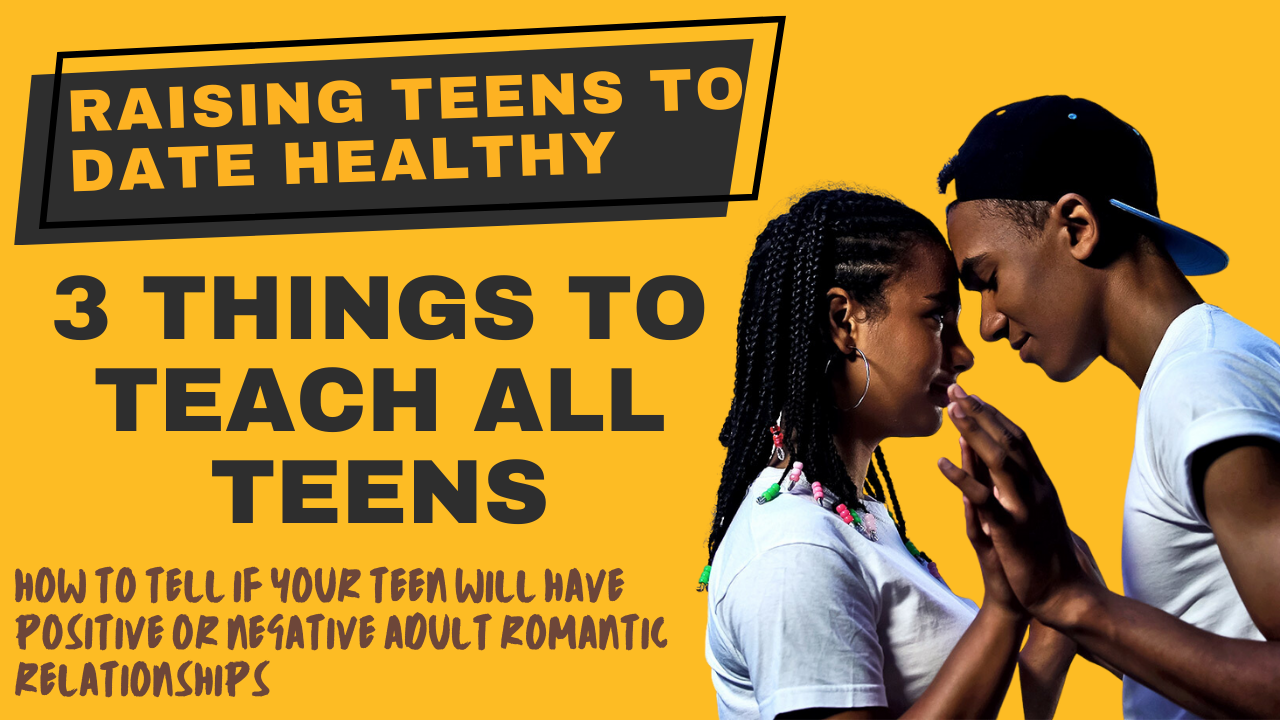
  • How To Tell If Your Teen Will Have Healthy Adult Romantic Relationships

    How To Tell If Your Teen Will Have Healthy Adult Romantic Relationships

    Every parent thinks about how to make sure their kids enter into positive, future romantic relationships. There are so many challenges but we must prepare them because it is a normal part of growing into an adult. Right?

    What should we tell our kids?

    Does our relationship or lack thereof have an influence on who they will choose to date now and in the future?

    What actually determines whether our sons and daughters will have a happy, adult romantic life?

    I have answers thanks to my former classmate at the University of Michigan, Dr. Lisa Damour. She has written a best-seller, The Emotional Lives of Teens, that provides very detailed research on what every parent should know and do to encourage positive, healthy future relationships.

    Researchers followed a group of young people from thirteen to thirty to determine which factors determined a gratifying love life as an adult.

    Interestingly, the researchers advised parents to focus on the quality of your teenagers relationships.

    Specifically, “It’s what’s happening in teen’s non-romantic relationships, not romantic relationships, that lays the groundwork for happy, adult romantic life.”

    Furthermore, “Researchers found that future, happy adult relationships were not linked to adolescent dating activity but to the friendship skills teens developed along the way.”

    I found this very surprising but it makes sense and I break it down in the video above.

    So, who went on to have a healthy, adult love life?

    1) Those who, at age 13, expected to be treated well by friends and could stand up for themselves when necessary.

    2) Those who, at ages 15 and 16, were able to establish close friendships and get along with peers.

    3) Those who, at ages 17 and 18, were able to maintain close friendships over a two-year period.

    I explain this in the video further. So, what do you think? Here is the call to action. Make sure your teen is able to do each of the three main objectives to give them the best chance at healthy relationships and marriages in the future!

  • Why Teen Girls Are Struggling With Mental Health | What Every Parent Needs To Know

    Why Teen Girls Are Struggling With Mental Health | What Every Parent Needs To Know

    Why Teen Girls Are Struggling With Mental Health | What Every Parent Needs To Know

    A recent article by the Washington Post detailed why teen girls are so stressed.

    In summary there are a number of factors that every parent should be aware of that are negatively affecting teen (and tween) girls’ mental health and wellness. In summary, here is a quick list of stressors for teen and tween (10-12) age girls.

    1) Puberty

    2) The Effect of Having Covid on Puberty (very interesting research)

    3) Perfectionism- desire to please everyone

    4) Self-criticism

    5) Rumination/Overthinking

    6) Social Media- Negative comparisons & peer feedback (likes, comments, etc.)

    7) Poor sleep (on their phones, stress, and poorly structured bedtimes)

    8) Less face-to-face time with friends (phones decreasing girlfriend quality time)

    If you notice any or a number of these factors affecting your teen girl, here are some recommendations for parents to consider very strongly.

    Recommendations For Parents of Teenage Girls:

    1) More in person interaction with female friends (get-togethers, outings, visiting over the house, movies, etc.)

    2) Ensure your teen daughter gets at least 49 hours of sleep a week

    3) More physical activity (exercise is good for positive mood)

    4) Reduce the number of scheduled obligations (help them achieve balance and include leisure/rest in the schedule)

    5) Pull kids under 14 off social media and give them a flip phone to communicate (or at least monitor activity vigorously)

    Teen girls who are sixteen and over should have their phones powered down (or taken at night if you cannot trust them) at bedtime to allow them to sleep and resist staying on their phones all night. Weekends are different but make sure your teens are not staying up until 2,3,4 am in the morning and falling behind the necessary sleep they need to have positive mental health.

    Expect some push back to removing and limiting social media but watch both their mood and behavior change for the better once you do. Even adults take social media fast to feel better and gain mental clarity and peace of mind. So, why wouldn’t our teen girls (with their active brains and changing bodies) need even more of the same?

    I pray this article, video, and blog blesses you parents. Now, go talk with your teenage daughter, niece, cousin, grandchild, etc. and help her to be well!

  • How Parents Can Improve Your Children’s Mental Health: Tips From A Child Psychologist

    How Parents Can Improve Your Children’s Mental Health: Tips From A Child Psychologist

    How Parents Can Improve Your Children’s Mental Health: Tips From A Child Psychologist

    What are our children so stressed out about? Why have rates of depression, anxiety and even suicidal ideation skyrocketed in the last two years? A recent study by the CDC revealed shocking statistics regarding the youth mental health crisis.

    Recent studies show:

    • 37% of high school students reported experiencing poor mental health last year.

    • 44% reported they persistently felt sad or hopeless during the past year

    • 55% reported they experienced emotional abuse by a parent or other adult in the home, including swearing at, insulting, or putting down the student.

    • 11% experienced physical abuse by a parent or other adult in the home, including hitting, beating, kicking, or physically hurting the student.

    • 29% reported a parent or other adult in their home lost a job. That is a lot to deal with for any family.

    What Should Parents Do?

    What we see is that our children are hurting because we are hurting as parents. This world is hurting. So, we must be our children’s psychologist at times by managing their emotions. Emotions are the gateway to the soul and how we make sure our children are seen, heard and (most importantly) felt.

    Parents are the primary anchors when it comes to our children’s well-being and self-esteem. In order to be a great parents, we must be in tune with and respond appropriate to our children’s emotions so that they can be well. In order to do that, you must coach your child towards managing their emotions.

    Here are the five keys of emotion coaching to help your kids have better emotional and mental health.

    1. Be aware of your child’s emotions.

    2. Recognize emotion as an opportunity for connection and teaching.

    3. Help you child verbally label their emotions (use an emotion wheel).

    4. Communicate empathy and understanding.

    5. Set limits and help solve the problem if you can I pray this helps and drives your children towards better mental health, happiness and better family dynamics.

    I pray this helps and drives your children towards better mental health, happiness and better family dynamics.

  • How To Talk To Your Kids About School Shootings: Interview with a Teenager

    How To Talk To Your Kids About School Shootings: Interview with a Teenager

    Dr. Alduan Tartt discusses how to talk to your kids about school shootings.

    What do you we do when we live in a society where kids have access to news about school shootings on their smart phones via social media?

    Should parents even say anything at all?

    Does discussing the shooting raise or lower your child’s anxiety and sense of safety?

    These are all really difficult questions for parents to answer.

    Here are seven tips to help you child as well as symptoms to look out for:

    1) Monitor Your Own Anxiety– talk about your own emotions with an adult.

    2) Find out if your kids know anything first & don’t tell them if they don’t already know (ignorance is bliss).

    3) Contact the school, daycare, local mall , etc. to request increased security to keep them safe and show support that you can advocate for their sense of safety.

    4) Ask open ended questions to find out what they know and how they feel(“How do you feel about what happened yesterday?”)

    5) Listen to their feelings and open up dialogue by asking follow up questions (make them feel very interesting).

    6) Validate their feelings (“It’s okay to be anxious about going to school…you’re sense of safety has been alarmed.”) and allow them a safe space to vent.

    7) Ask them what they need from you.

    Look out for the following symptoms over the next few days:

    • School refusal, not wanting to go outside or in public

    • Stomach aches, headaches

    • Trouble sleeping

    • Irritability

    • Paranoia

    Parent Resources:

    Someone to talk with live: www.Mhanational.org/warmlines

    Screen yourself or children for a mental health issue- www.Mhascreening.org

  • Parenting Tips: How To Raise Children To Be Successful & Resilient

    Parenting Tips: How To Raise Children To Be Successful & Resilient

    We have all read the news about the mental health crisis affecting our teens but what do we do to protect them? In this video, I reveal seven character traits needed to raise successful children to be resilient.

    The research is based off of Paul Tough’s book, How Children Succeed, and is applicable to every parent. So, whether you are raising a infant, small child, teenager or young adult focusing on character development is a must.

    Here are the seven character traits to focus on when it comes to raising your children to be successful:

    1) Ambition– a strong desire to do or to achieve something, typically requiring determination and hard work

    2) Professionalism– the competence or skill expected of a professional

    3) Integrity– the quality of being honest and having strong moral principles; moral uprightness

    4) Resourcefulness– the ability to find quick and clever ways to overcome difficulties

    5) Self-Control– the ability to control one’s emotions and desires or the expression of them especially in difficult situations

    6) Learned Optimism– being able to shift one’s thinking from a negative to a positive

    7) Resiliency– the capacity to recover quickly from difficulties; toughness

    What is especially interesting is the research on how to build resiliency in children. Here is short list of recommendations for parents based on the article Resilience in Children: Strategies to Strengthen Your Kids:

    •Build a Strong Emotional Connection– spending one on one time with your children is invaluable in making them feel important, special and provides a base for self-esteem.

    • Promote Healthy Risk Taking– “Do hard things” is the motto which teaches children courage, adventure and to confront uncertainty, doubt and anxiety with faith, work ethic and industriousness.

    •Resist the Urge to Fix It and Ask Questions Instead- This technique is called “scaffolding” where you lead your kids to problem-solving versus giving them the answer. This allows your children to develop problem-solving decision making independently versus relying on you to help them. Too many parents “helicopter parent” and rob their kids of the ability to fix things on their own.

    • Teach Problem-Solving Skills- Somethings can be taught while other skills should be “caught” via modeling. The next time you face a challenge, sit down with your children and walk them through the problem-solving process. Kids (and adults) tend to learn best by observing and doing versus lectures. Present the problem to them and ask for their internal processes and work through it together.

    • Label Emotions- Emotions are to be felt, expressed and understood. Thus, it is a great idea to give our children an emotional vocabulary (e.g. “sad”, “disappointed”, “powerless”, “excited”, “nervous”, etc.) so that they can express and work through difficult times.

    • Demonstrate Coping Skills- Telling kids to “suck it up” doesn’t work, especially when we fail to give them healthy coping skills to try for themselves. Allow your children to see you cope with doubt, stress, loss, envy, relationship issues and talk with them about what techniques they can employ. This sound obvious when you read it but how many of us have really done it? Well…now you know and your kids will be better because of it.

    • Embrace Mistakes (Theirs and Yours)- It is a gift to model self-compassion to our children but admitting mistakes while accepting grace that we can change. Too many teenagers don’t understand the idea of grace, forgiveness and Jesus dying for their sins. This lack of knowledge and relationship with Christ leads them to think toxic thoughts to punish themselves and others. Mistakes are apart of life and we must guide our children to admit them, embrace learning and grow without excessive, toxic guilt and anger.

    • Promote the Bright Side– Every Experience Has One- This is called “learned optimism” where we literally teach our kids how persevere by finding the light at the end of the tunnel. This is an integral skill in allowing children to endure hardship by finding the optimistic view within a temporary problem. This skill alone can decrease depression, anxiety and build resiliency.

    • Model Resiliency- Adult children often remember seeing how their parents endured and drew personal strength from it. We have the same opportunity. So, instead of shielding our children from our adversity, we have an opportunity to show them how we bounce back from financial issues, marital conflict, health challenges, lack of confidence, etc. This allows our children to see resiliency in action which with model the same in them.

    • Exercise- Many people underestimate the power of exercise. Exercise builds strong habits, self-discipline and decreases stress. Medium to intense cardio work produces endorphins which serve as emotional pain relievers and increase stress tolerance. This is primary reason that I run before work on a regular basis. I have a stressful career at times and I have to prepare myself to excellent under duress. Exercise provides the same outlet for our children.

    Please share this article with every parent you know because our children and teens deserve every tool available to combat the ongoing mental health crisis that is affecting us today. I pray this article both blesses and equips you with the tools needed to promote mental health in your children. God Bless!